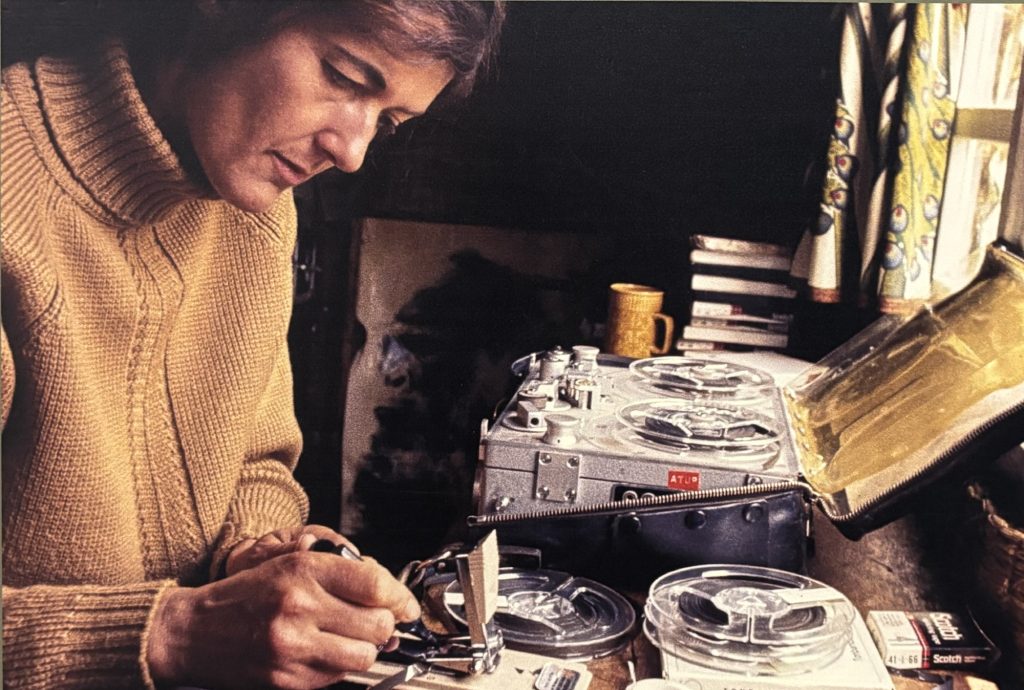
Dian Fossey was a pioneer from her first day in the forest-living alone, trekking in cold misty weather, and figuring out how to locate and observe the elusive mountain gorillas.
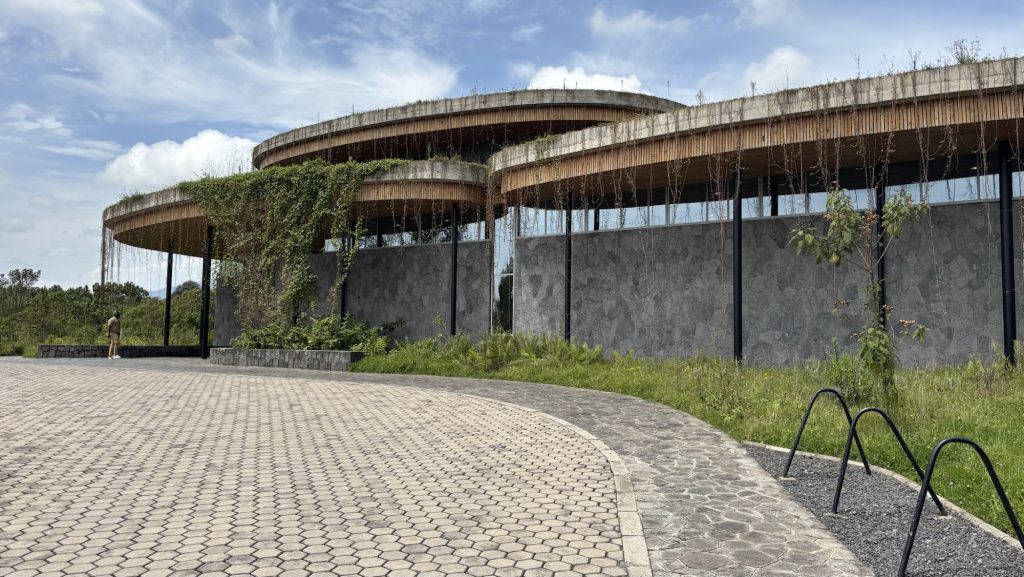
Dian is remembered as a pioneering scientist who taught the world about the mountain gorillas of Rwanda and devoted her life to their protection. But she started out as a young woman on her own, risking everything she had for the opportunity to go to Africa.
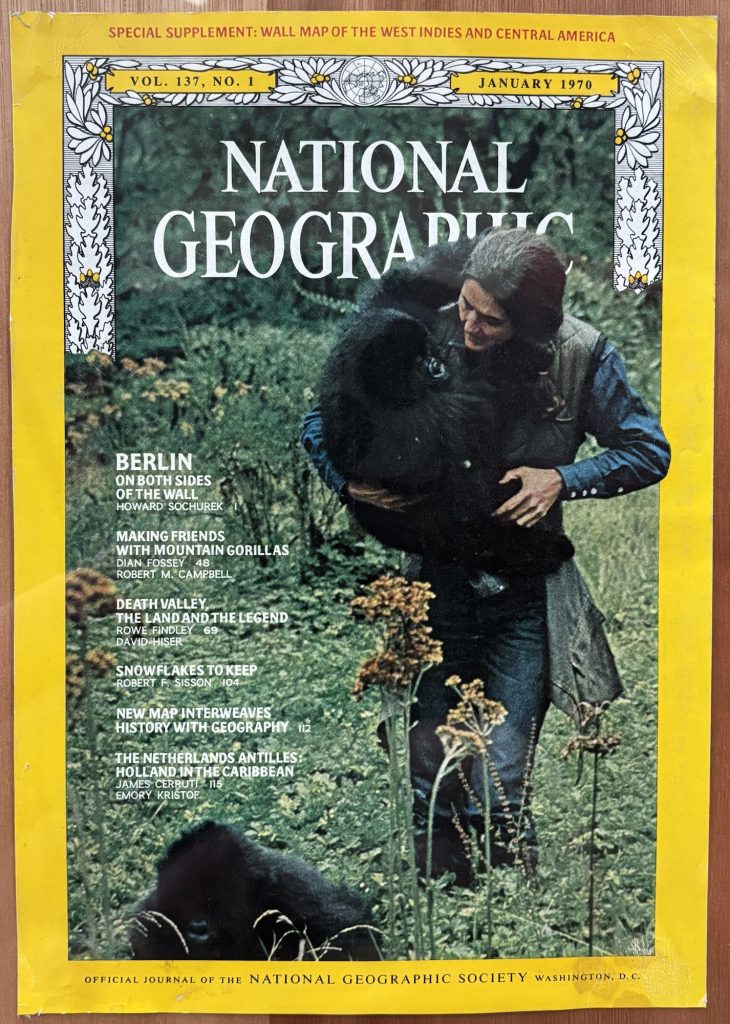
When Dian learned that famed anthropologist Dr. Louis Leakey was looking for someone to lead a long-term study of gorillas, she knew she’d found the answer to her dream of working with animals. With funding from the National Geographic Society, she set up camp in the Virunga mountains in 1967 and began the daunting task of searching for gorilla families in difficult terrain, getting them used to her presence in the forest and studying them in detail every day.
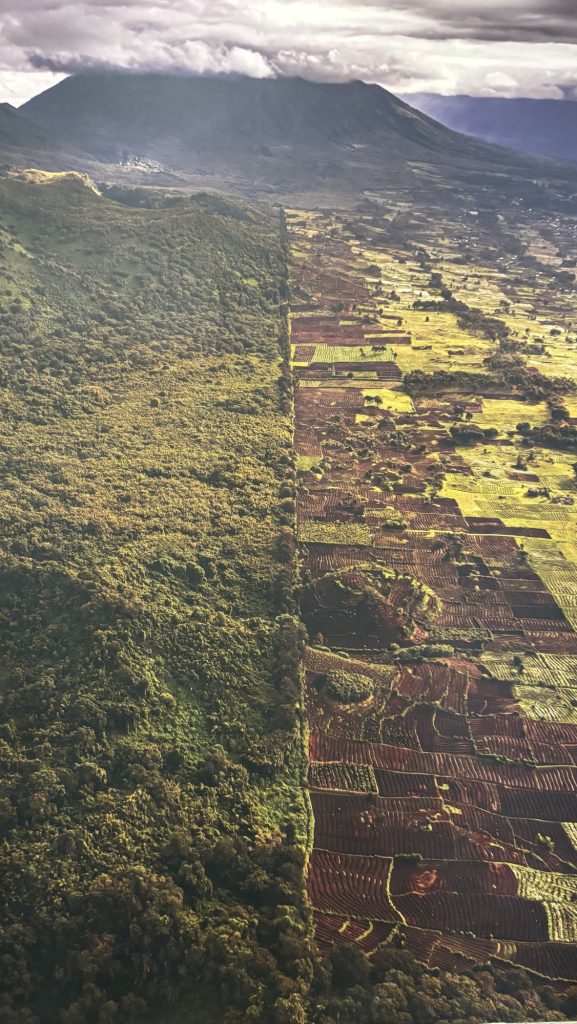
Soon, Dian also realized the gorillas were in danger of extinction due to many threats, especially poaching and habitat loss.
After her favorite gorilla, Digit, was killed by poachers in 1977, Dian set up The Digit Fund to raise money for gorilla protection.
After her death, the organization became the Dian Fossey Gorilla Fund to honor her legacy and continue her groundbreaking work.
Who She Was
Dian Fossey was an American primatologist and conservationist best known for her groundbreaking study and protection of mountain gorillas in the Virunga Mountains of Rwanda (and adjoining Congo/Uganda) from the mid-1960s until her death in 1985.
Scientific Research & Behavior Study
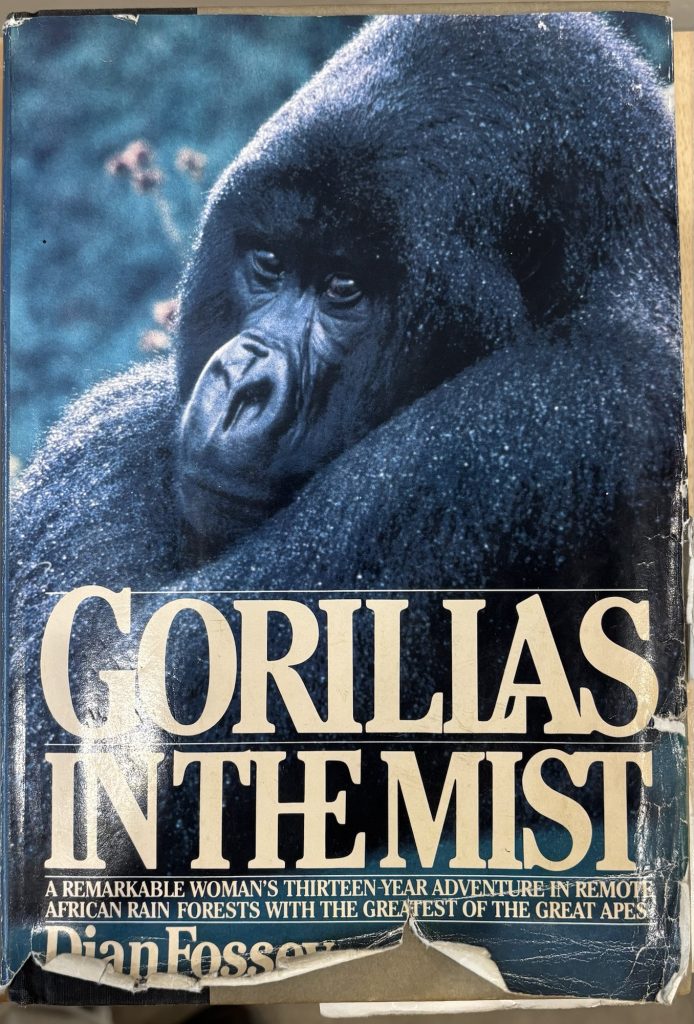
In 1967, she founded the Karisoke Research Center, a field station high in Rwanda’s Virunga volcanoes, dedicated to long-term gorilla research. Over many years, she spent thousands of hours observing gorillas in the wild, slowly habituating them to her presence so she could see their social structure, communication, family dynamics, feeding habits, and daily behaviors up close — some of the first detailed scientific observations of these animals in their natural habitat. Her doctoral dissertation and later her book Gorillas in the Mist (1983) shared this knowledge with the world.
Conservation & Anti-Poaching Actions
Fossey didn’t just study gorillas — she became an active conservationist as their numbers declined dangerously due to poaching, habitat loss, and human encroachment. She organised anti-poaching patrols, trained local assistants, destroyed snares and traps, and pressured authorities to enforce wildlife laws. Her determination deepened after the killing of “Digit,” a silverback gorilla she was particularly close to, in 1977. In response she helped establish the Digit Fund (later the Dian Fossey Gorilla Fund) to finance ranger patrols and conservation efforts.
Raising Global Awareness
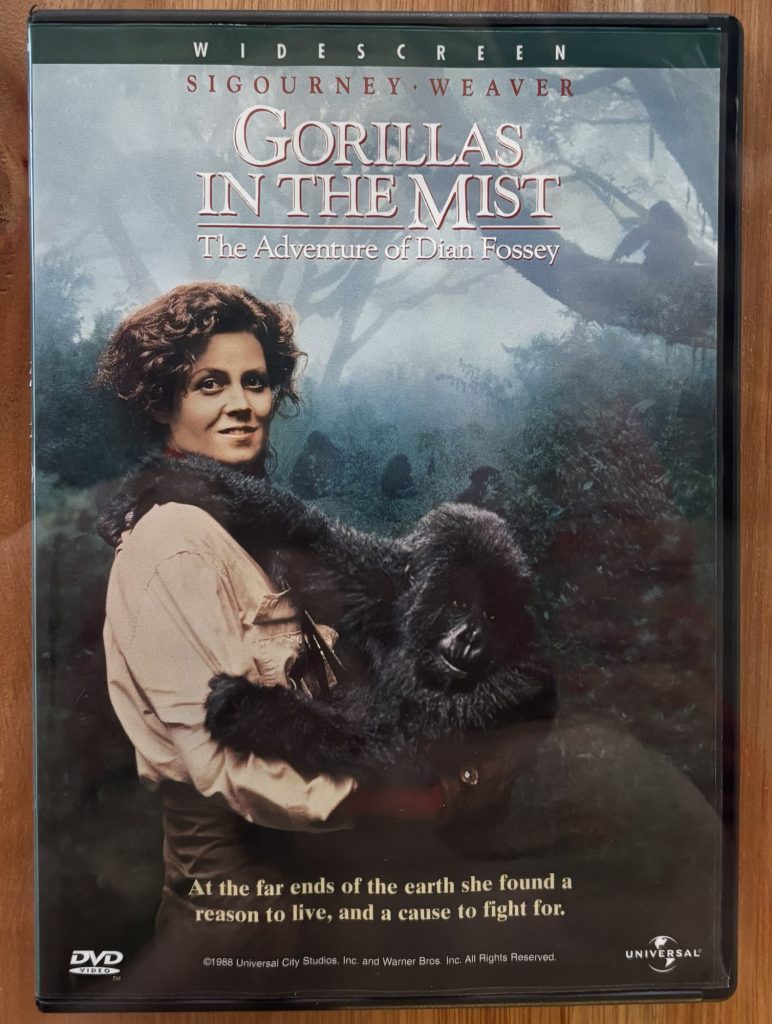
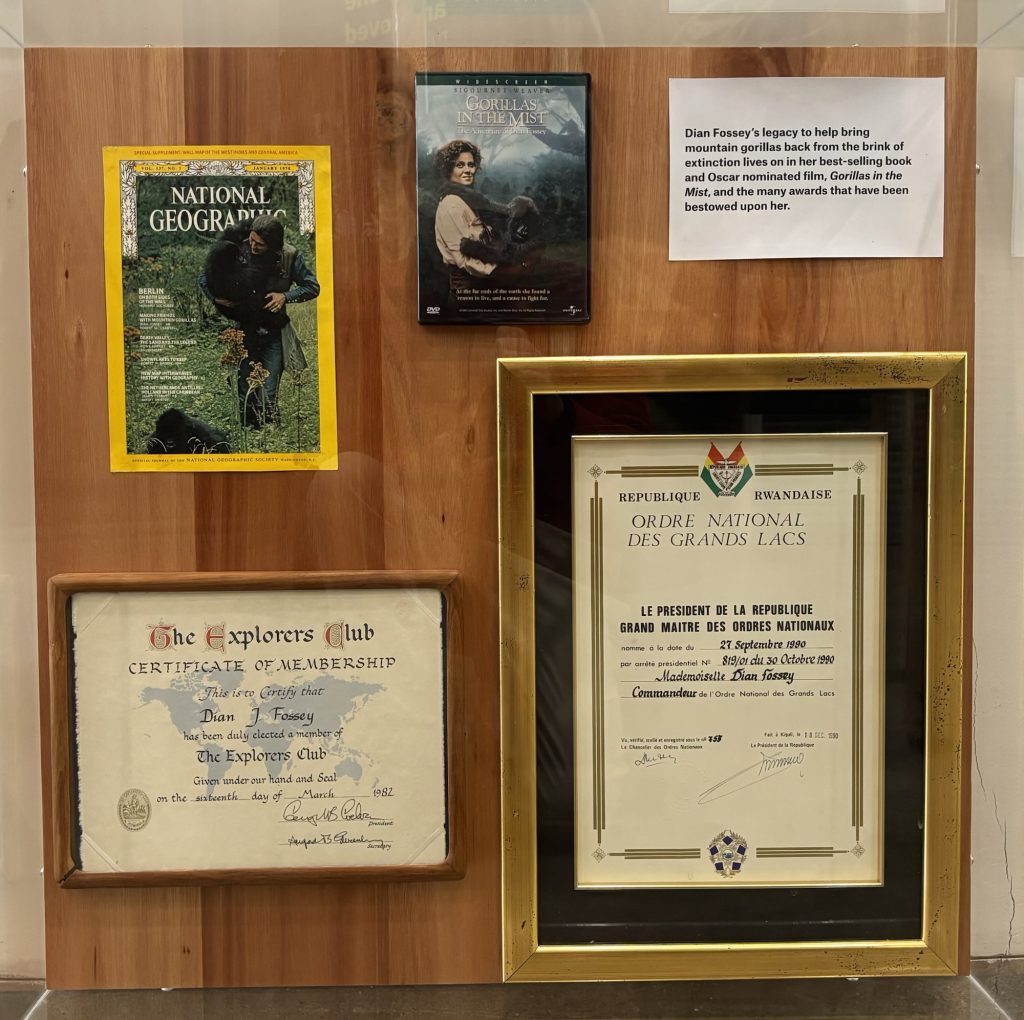
Through National Geographic coverage, her publication, and later the Hollywood film Gorillas in the Mist, she brought international attention to the plight of mountain gorillas and helped galvanise global conservation support.
Legacy
Fossey’s work significantly expanded scientific understanding of mountain gorillas and helped change conservation from passive observation to active protection. The organisations she founded continue gorilla research, anti-poaching patrols, and habitat protection today.
Her passionate, often uncompromising approach did make her a controversial figure locally, but many scientists believe mountain gorillas might have been driven to extinction without her efforts.
Dian Fossey was killed in her forest cabin on December 26, 1985, following years of increasing struggles to protect the gorillas she had come to love and know so well.
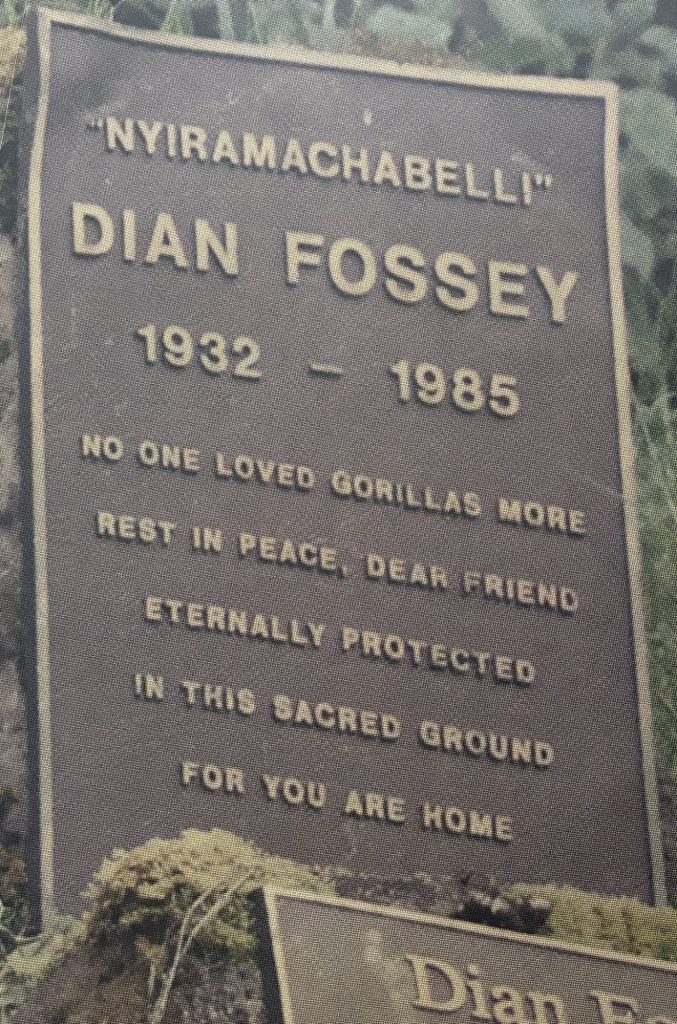
She was laid to rest in a graveyard she created behind her cabin, where some of her closest gorilla friends were already buried.
Dian’s grave lies next to that of silverback Digit, one of the gorillas she knew best. Digit was killed in an attack in 1977, taking multiple spear wounds as he tried to protect his family.
Her grave marker reads: “No one loved gorillas more” and shows her Rwandan nickname – “Nyiramacibiri,” which she roughly translated as “the old lady who lives in the forest without a man.”
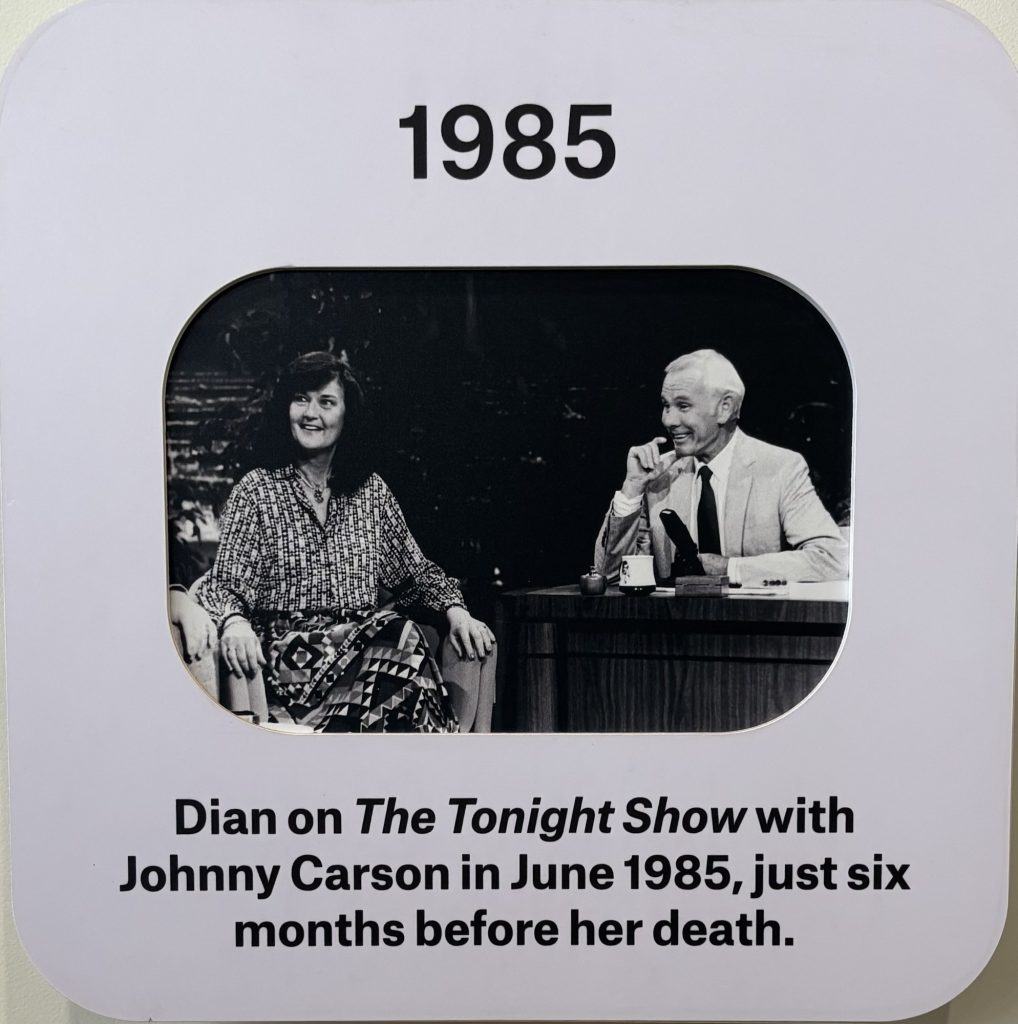
Footnote
All of the above photos are copyright courtesy of the Dian Fossey / Ellen DeGeneres Campus – Musanze (Kinigi), Rwanda.
The Dian Fossey Campus, in Musanze, is a major conservation, research, and education facility run by the Dian Fossey Gorilla Fund. It’s officially known as the Ellen DeGeneres Campus of the Dian Fossey Gorilla Fund and is located in Kinigi Sector, Musanze District, right next to Volcanoes National Park.
⸻
What the Campus Is
• It’s a state-of-the-art conservation facility dedicated to continuing the legacy of Dr. Dian Fossey, the famous American primatologist who pioneered mountain gorilla research here starting in 1967.
• Opened in 2022, it serves as a permanent home for the Dian Fossey Gorilla Fund’s work in Rwanda, replacing older rented offices.
⸻
Purpose & Features
The campus combines research, education, conservation, and outreach:
• Research Center: Laboratories and workspaces for scientists studying gorillas and their habitats.
• Education Center: Classrooms, a science library, and training facilities where students, local communities, and future conservationists learn and conduct field studies.
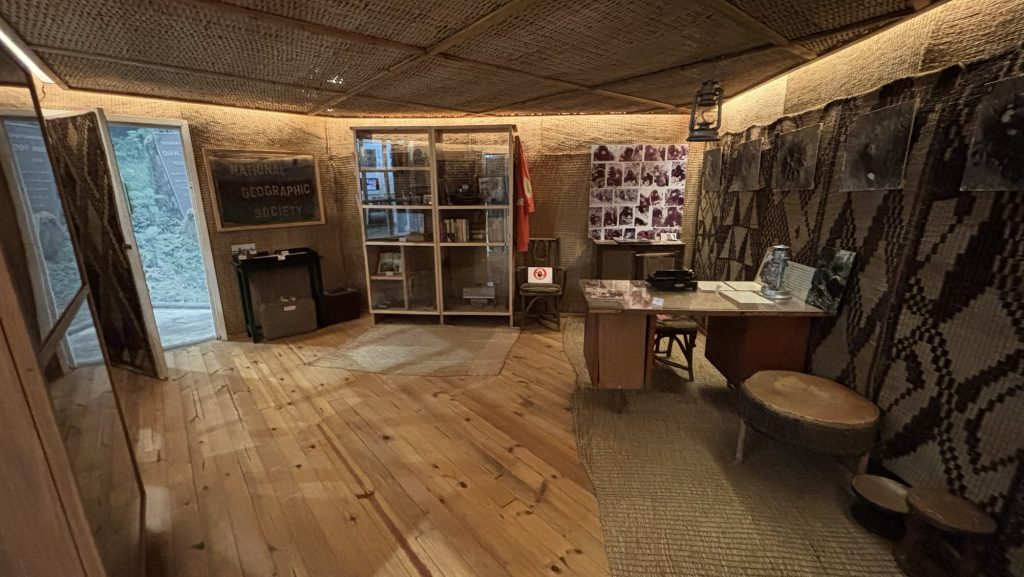
• Conservation Gallery: A public exhibit telling the story of Dian Fossey’s life and gorilla conservation work, often with interactive displays.
• Accommodation: Visiting researchers and students can stay on-site.
These combined functions make the campus both a working research station and a visitor-friendly educational centre. Entrance fee: voluntary donation.