This must be heaven!

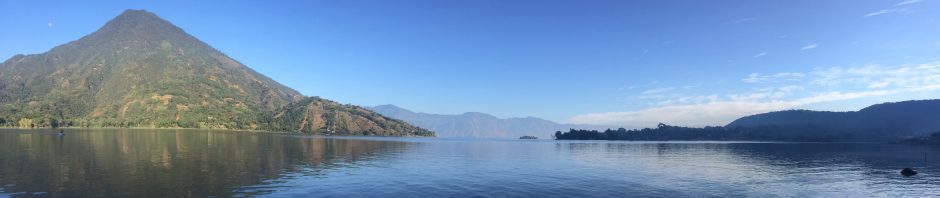
Travelling with three Dutch girls and a young lady from the Basque Country in Spain – I truly must have died and gone to heaven!

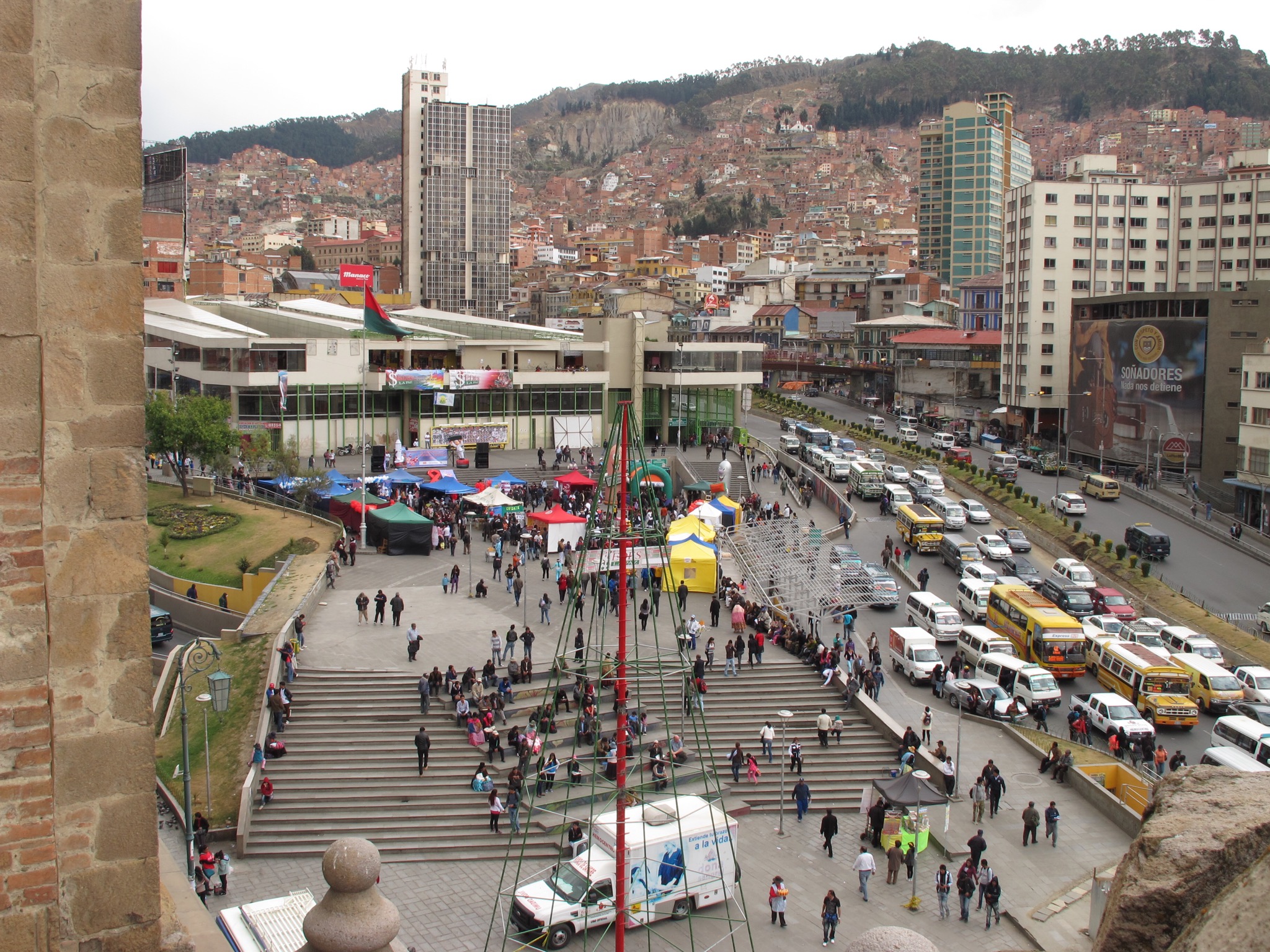
From the sprawling city of La Paz I took an extremely comfortable night bus to Uyuni and the start of a three day/two night tour of Salar de Uyuni. The journey took 10 hours but with all the mod cons you could shake a stick at – a comfy seat/bed and two great meals – the time flew by.

Salar de Uyuni is the world’s largest salt flat at 10,582 square kilometers (4,086 sq mi). It is located in southwest Bolivia, near the crest of the Andes and is at an elevation of 3,656 meters (11,995 ft) above mean sea level.

“The Salar was formed as a result of transformations between several prehistoric lakes. It is covered by a few meters of salt crust, which has an extraordinary flatness. The crust serves as a source of salt and covers a pool of brine (2 to 20 metres in depth), which is exceptionally rich in lithium. It contains 50 to 70% of the world’s lithium reserves, which is in the process of being extracted.” Source: Wikipedia.

The large area, clear skies, and the exceptional flatness of the surface make the Salar an amazing place to take pictures – see below.

My 5-travel companions, and our Bolivian driver (Edwin), were great company. Over the three days we talked, laughed and sang our way across 600 kilometres of an otherwise unearthly landscape in our plush Toyota Land Cruiser. The accommodation was basic but the warmth of my companions more than made up for this.

The landscape of Salar de Uyuni Is truly breathtaking. On one occasion the girls said they felt like they were in heaven. My German (male) friend and I agreed totally but perhaps from a different perspective.

Next stage: Potosi.

IMG_2405.JPG

IMG_0025.JPG

IMG_0015.JPG

IMG_0227.JPG

IMG_0232.JPG

Posted in Bolivia | Tagged , , | Leave a comment

Bienvenidos a Sudameríca (la segunda parte).

This is how my guidebook describes my first country in the second part of my travels through South America:

“Rough around the edges, superlative in its natural beauty, rugged, vexing, complex and slightly nerve-racking.” I couldn’t agree more!

It took 24-hours from door to door to get here and, as is always the case at the start of a big trip, I arrived with a fair amount of trepidation. The adrenalin was pumping hard and my stomach churning as I stepped off the plane at airopuerto La Paz.

Thanks to the altitude here (3,650 metres) the resultant decrease in atmospheric pressure makes breathing unusually laboured. This is due to the fact that you are aren’t able to take in as much oxygen as you would do normally. I spent the first two days bent double gasping for air each time I ventured out for a short walk. Thankfully the headaches, which are also a common symptom of altitude sickness, weren’t too bad.

Anyway, after a few days ‘acclimatisation’, in the excellent hotel Sagárnaga, I started to feel much better and began to get my head round what I was going to do for the next month here in Bolivia.

La Paz.

“La Paz is a city of Gothic proportions, world-class views and a multiethnic cultural imprint unique to the Americas. While there’s plenty of petty crime, traffic and pollution, La Paz is somehow unique.

It is, de facto, the world’s highest administrative capital. Most of the city lies in a preposterously steep valley at around 3660m. Medieval- looking buildings ascend the slopes with haphazardness, finally spilling over the edge into the rough commerce hub of El Alto.” Excerpt From: Planet, Lonely. “Lonely Planet South America.”

La Paz proved to be a great introduction to Bolivia.

Next stop: Salar De Uyuni.

IMG_4455-2.JPG

IMG_4459-1.JPG

IMG_4452-2.JPG

Posted in Bolivia | Leave a comment

Happy Diwali.

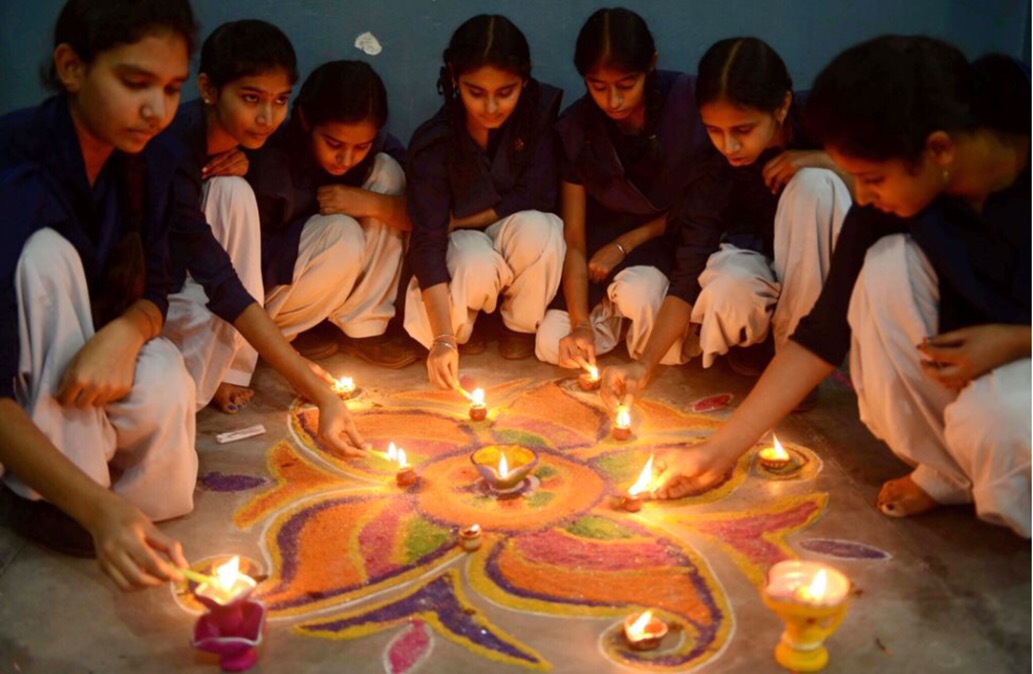
Diwali also known as Deepavali and the “festival of lights”, is an ancient Hindu festival celebrated in autumn every year. The festival spiritually signifies the victory of light over darkness, knowledge over ignorance, good over evil, and hope over despair. The festival preparations and rituals typically extend over a five day period, but the main festival night of Diwali coincides with the darkest, new moon night of the Hindu Lunisolar month Kartika.

Before Diwali night, people clean, renovate and decorate their homes and offices. On Diwali night, Hindus dress up in new clothes or their best outfit, light up diyas (lamps and candles) inside and outside their home, participate in family puja (prayers) typically to Lakshmi – the goddess of wealth and prosperity. After puja, fireworks follow, then a family feast including mithai (sweets), and an exchange of gifts between family members and close friends.

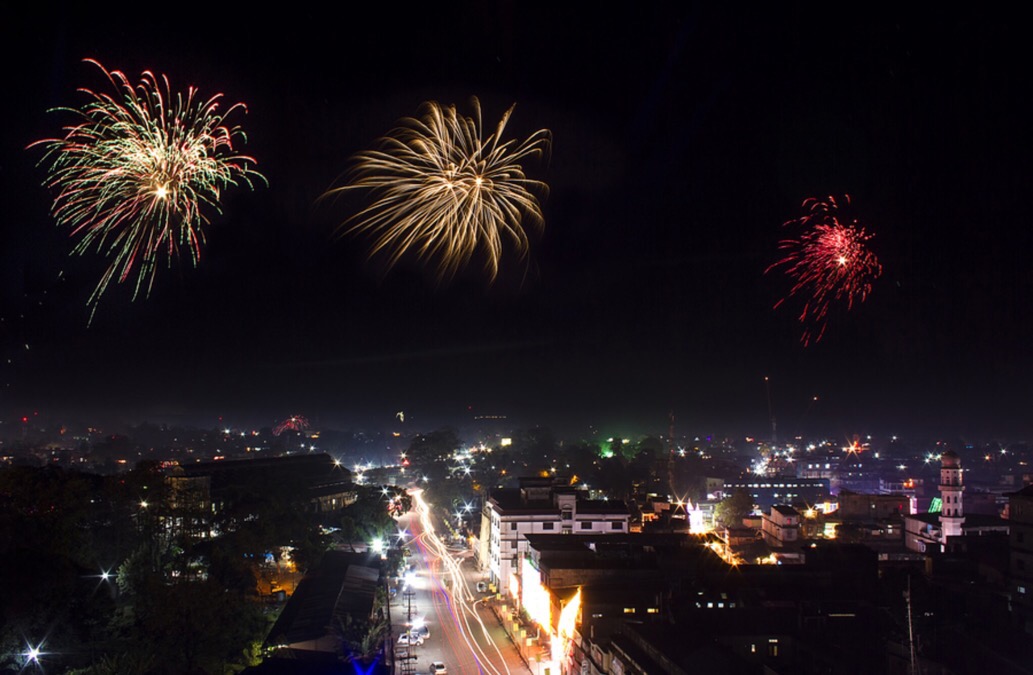
What started out as a few fireworks and fire crackers, at around 7pm last night, quickly disintegrated into utter mayhem. I have never seen or heard anything quite like it.

As I walked along the street, from the calmness of my hotel, I was presented with what can only be described as a scene from Disneyland. All the houses and flats had been adorned with a myriad of colourful lights – a spectacle that drew my breath.

As I walked further, the sound of fire crackers began to get louder and streaks of light flashed in front of me as a mass of rockets were being set off.

What I was presented with next still has me laughing and shaking my head in disbelief. Picture if you will a narrow street with hoards of fireworks being let off in every direction. It was like a battle zone. The noise was deafening and the air was heavy from the plumes of smoke created by the exploding fireworks and fire crackers.

If you have ever seen the programme ‘Idiot Abroad’ and the episode where Karl Pilkington is walking down the street with fireworks going off in every direction then you will appreciate what it was like.

It was a scene that will remain with me for a very long time to come.

IMG_2244.JPG

IMG_2243.JPG

IMG_2242.JPG

Posted in India | Tagged | 1 Comment

“Ice Cold in Alex”.

The opening paragraph on the front of the shiny flier, which sits neatly on top of the bedside cabinet in my hotel room, reads as follows:

“Set apart from the hustle and bustle of the city, and situated in the posh locality of Deccan Gymkhana, Hotel Shreyas is your home from home.”

It may well be spotlessly clean and full of extremely polite, and helpful staff, but home from home? Not quite.

Having left the relative ‘comfort’ of Mumbai and the friendly Hotel Residency I have now ventured east, into the heart of Maharashtra state, to one of the major onion producing regions of India.

The 5-hour train journey to get here was surprisingly uneventful and, for a ticket price of £2, I enjoyed a relatively comfortable seat. The train arrived on time and it was a fairly straightforward procedure hiring a taxi and getting to the hotel.

It’s Election Day today and so an alcohol ban has been in place for the past 48-hours. This may not be a bad thing because by the sound of it, very much like back home, the voting population is extremely confused. Alcohol would only make matters worse.

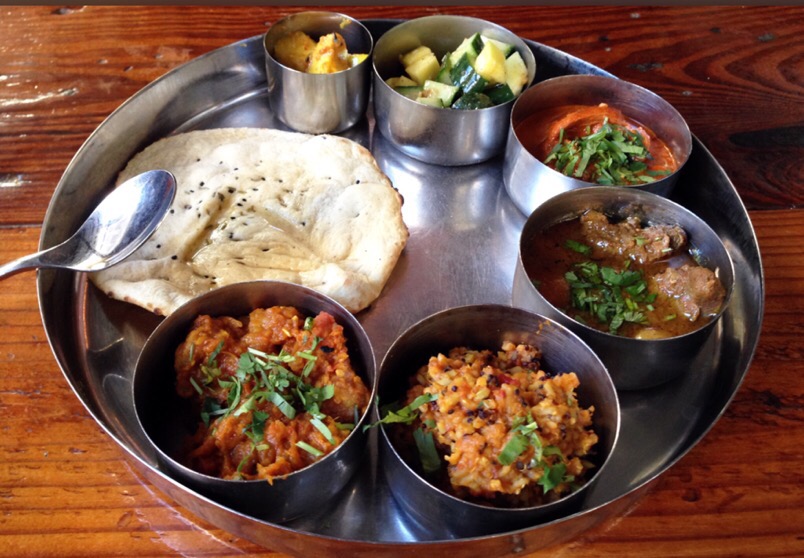
The food has so far been exceptional. Last night I enjoyed a gorgeous chicken thali, which is an Indian and Nepalese meal made up of a selection of various dishes. Thali dishes vary from region to region in South Asia and are usually served in small bowls, called katori, which are placed on a round tray, the actual thali – often a steel tray made with multiple compartments is used. Typical dishes include rice, dal, vegetables, roti, papad, curd (yoghurt), small amounts of chutney or pickle, and a sweet dish to top it off. Restaurants typically offer a choice of vegetarian or meat-based thalis.

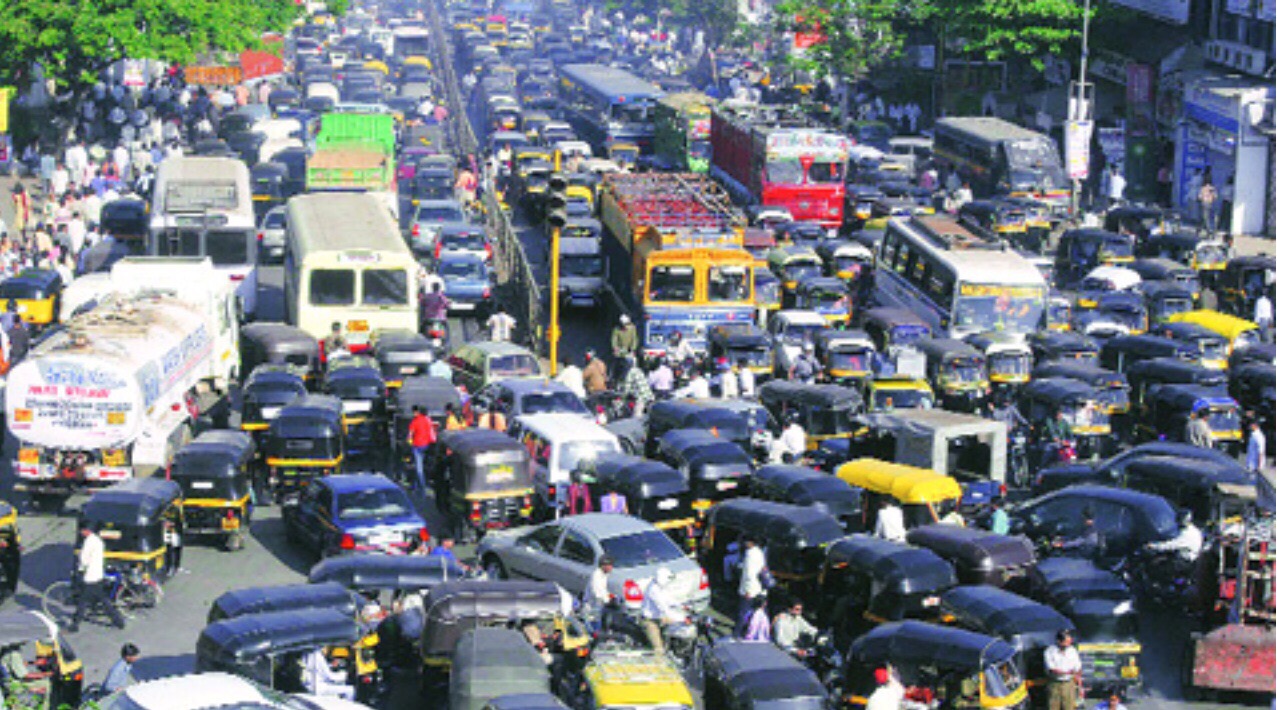
On a rather sad note; Ted has refused to leave the tranquility of the hotel since our first orientation exercise. We had decided to venture into the city centre for something to eat, it’s about 3 km from the hotel but it took the auto rickshaw driver nearly 40 minutes to get there. The traffic was throbbing and the exhaust fumes overwhelming. At one point our driver ran into the back end of a car and badly dented the bumper. There was no way anyone was going let the two vehicles stop and exchange ‘insurance’ details. In fact neither vehicle even attempted to carry out such a futile act. When we arrived at the restaurant all I wanted to do was grab an ice cold beer to help calm my nerves, but then I remembered….. no alcohol allowed.

You take life into your own hands when crossing the roads here. Sure you can look left, look right, then look left again but it won’t make a scrap of difference – there’s just never a break in the traffic to actually cross safely. It’s literally a case of dodging the vehicles, which appear to be hell bent on getting to their destination as fast as they possibly can. I have now taken to crossing the road with groups of Indians – safety in numbers! It’s not just the volume of traffic but the volume of the traffic, horns honking, engines revving.

At least I have secured some initial meetings, which has lifted my spirits considerably. I was beginning to wonder how on earth I was ever going to get my head round this current project.

So, if you read this with a cold beer in your hand – spare a thought!!

IMG_2110.JPG

IMG_2109.JPG

IMG_2111.PNG

Posted in India | Tagged | 2 Comments

Bombay Nights (and days).

Mumbai – October 12th – 37 deg C.

I decided to take today off, well it is Sunday after all, and since I arrived here I have done nothing but focus on work.

I am staying in the Fort area of this densely populated city – 15.2 million people to be precise. It’s a hotel that I have stayed at before and it’s rather comforting to see familiar faces amongst the constantly smiling, head wobbling staff.

Following breakfast, I should mention at this point that I have brought my favourite cereal along with me – Alpen, I grabbed my sun cream, water bottle, and set off on a 3-hour walking tour. Amongst some of the many architectural gems that I visited along the way included:

The Gateway of India:

This bold basalt arch of colonial triumph faces out to Mumbai Harbour at the tip of Apollo Bunder. It was completed in 1924 to commemorate the 1911 royal visit of King George V. It’s a favourite gathering spot for locals and a top spot for people watching.

The Oval Maidan:

The Oval Maidan is a large Grade I recreational ground. It is named because of its oval shape and is situated just south of Churchgate railway station. It is a popular recreation ground and there must have been over 20 cricket matches taking place. The tennis balls that were being used in place of proper cricket balls spilled out all over the place making it appear that the various matches in play were actually one and the same.

Victoria Railway Terminus:

The Chhatrapati Shivaji Terminus, formerly known as Victoria Terminus Station, in Mumbai, is an outstanding example of Victorian Gothic Revival architecture in India, blended with themes deriving from Indian traditional architecture. The building, designed by the British architect F. W. Stevens, became the symbol of Bombay as the ‘Gothic City’ and the major international mercantile port of India.

Whilst at the railway station I purchased a train ticket for my next destination – Pune.

IMG_2083.JPG

IMG_2081.JPG

IMG_2082.JPG

Posted in India | Leave a comment

Norfolk Coastal Path, 46 miles – Hunstanton to Cromer.

Friday 26th September to Monday 29th September:

Why is walking in wild and solitary places so satisfying? Partly it is the sheer
physical pleasure: sometimes pitting one’s strength against the elements, sometimes relaxing on the springy turf or sand. The beauty and wonder of the natural world restore our sense of proportion, freeing us from the stresses and strains of everyday life.

In contrast to the Peddars Way, the Norfolk Coast Path is a deliberately constructed route, made up from a series of existing footpaths and sections of trail created to link them. The two routes were connected to form a Long Distance Path, a title officially bestowed on them in 1986, when the route was opened by The Prince of Wales in a ceremony on Holme beach. Five years later the Long Distance Paths became National Trails, and the pair were duly accorded this status.

Nothing prepares you for the scale and beauty of the North Norfolk coast. From here on the Coast Path bears east and you enjoy brisk head-up walking over beach, bunker and boardwalk, through fragile dunes and past salt-marshes, crumbling Cliffs, and creeks of fast-filling, fast-emptying tidal water. Along this stretch there is a constant blurring of sea, salt, sand and sky, but rather than making the area too similar the coastline has an ever-changing beauty. The western half of the coast path enjoys vast expanses of beach and dunes with plenty of sand and space between amenities, whilst the eastern end is a little tamer and tidier with the sand succumbing to shingle and traditional fishing communities giving way to the charms of faded Victorian seaside towns such as Wells, Sheringham and finally Cromer. Nonetheless there are still some unmissable villages such as Stilfkey, Morston, Blakeney and Cley containing little more than a glorious church and a cluster of cottages centred on a pub serving outstanding food and local real ale, as well as some of the best nature reserves and wildlife or bird-spotting sites in the country. This is a walk to saunter along and savour in every respect; the many gastro pubs and restaurants boast some of the finest, freshest ingredients that Britain has to offer. Ecclesiastical remains all along the route are indicative of the wealth and stains the region once enjoyed; the churches built on the profits of a thriving medieval wool trade are almost always worth a visit as are the grand houses.

Excerpt from: Peddars Way and Norfolk Coast Path by Alexander Stewart

Friday: Hunstanton to Burnham Overy Staithe
Saturday: Burham Overy Staithe to Stiffkey
Sunday: Stiffkey to Weybourne
Monday: Weybourne to Cromer

IMG_2087.JPG

IMG_2085.JPG

IMG_2084.JPG

IMG_2086.JPG

Posted in National Trails | Tagged | Leave a comment

Grimes Graves.

http://www.english-heritage.org.uk

Grime’s Graves is a large Neolithic flint mining complex near Brandon in England close to the border between Norfolk and Suffolk. It was worked between circa 3000 BC and circa 1900 BC, although production may have continued well into the Bronze and Iron Ages (and later) owing to the low cost of flint compared with metals. Flint was much in demand for making polished stone axes in the Neolithic period. Much later, when flint had been replaced by metal tools, flint nodules were in demand for other uses, such as for building and as strikers for muskets.

The scheduled monument extends over an area of some 37 ha (96 acres) and consists of at least 433 shafts dug into the natural chalk to reach seams of flint. The largest shafts are more than 14 m (40 feet) deep and 12 m in diameter at the surface. It has been calculated that more than 2,000 tonnes of chalk had to be removed from the larger shafts, taking 20 men around five months, before stone of sufficient quality was reached. An upper ‘topstone’ and middle ‘wallstone’ seam of flint was dug through on the way to the deeper third ‘floorstone’ seam which most interested the miners.

IMG_1987.JPG

IMG_1988.PNG

Posted in United Kingdom | Tagged | Leave a comment

Peddars Way, 46 miles – Knettishall to Holme-next-the-sea.

In that country of luminous landscapes and wide horizons where the wind runs in the reeds and the slow rivers flow to our cold sea, a man may still sense and live something of the older England which was uninhabited, free and natural.
Alan Savory, Norfolk Fowler

HISTORY
The route of the Peddars Way is a combination of the historic and the more modern, the old and the purposely created. First used by migrating animals and then the hunters who pursued them, the remnants of ancient travellers are visible as shards of worked flint and Bronze Age tumuli. The path as we now know it was developed around AD61, when the Romans established routes across East Anglia in the wake of the defeat of the Iceni (a Celtic tribe who inhabited areas covered by modern-day Norfolk between the 1st century BC and the 1st century AD) and Queen Boudicia (also written as Boudicca and Boadicea). The military route that was to become the Peddars Way, established between the Roman garrison at Colchester and the heart of Iceni land, was meant to offer access to all areas of the region and allow troops to police the rebellious territory. As with most Ronan roads it was built in a straight line and constructed from locally sourced material.

It wasn’t until the 15th or 16th centuries though that it was dubbed the Peddars Way in respect to the pilgrims who would walk the route to the coast and the religious centre at Walsingham. In fact it is just the best known of several ‘Peddars Ways’ which developed at this time, which may simply be a generic term or reference to a frequently walked path.

Peddars Way and Norfolk Coast Path by Alex Stewart.

Itinerary:

Day One. Friday 22nd Aug:

Knettishall to South Pickenham – 17.25 miles.

Day Two. Saturday 23rd Aug:

South Pickenham to Castle Acre – 9 miles.

Day Three. Sunday 24th Aug:

Castle Acre to Ringstead – 17 miles.

Day Four. Monday 25th Aug:

Ringstead to Holme-next-the-sea – 5.5 miles.

IMG_4322.JPG

IMG_4341.JPG

IMG_4356.JPG

IMG_4343.JPG

Posted in National Trails | Tagged | Leave a comment

The closing chapter.

“Twenty years from now you will be more disappointed by the
things you didn’t do than by the ones you did do. So throw off
the bowlines, sail away from the safe harbour…Explore.
Dream. Discover.” – Mark Twain.

If you had told me 18-months ago that one day, in the not too distant future, I would be in Colombia…

1. Volunteering on a coffee farm
2. Driving various vehicles, during city rush hour
3. Receiving long overdue root canal treatment
4. Enjoying the warmth of the friendliest people imaginable
5. Celebrating my birthday
6. Socialising with people from all over the world, nearly every single night

…I would never have believed you.

18-months ago I was going through one of the most painful periods of my life so far. I never thought, at the time, that it would be possible to make it to the other side. But amazingly, thanks to family, friends, and my colleagues at GvAP, I did.

The past four months have been chalk and cheese in comparison.

The twists and turns, and ups and downs, of our lives on this planet can be truly incredible.

My time here in South America, and in particular Colombia, now draws to an end. What an experience it has been. I can quite honestly say that the past four months, and in particular, the last six weeks, have been some of the most rewarding of my life.

I have experienced a huge amount of warmth, friendship, and inspiration here at the coffee farm. It will be an emotional ‘adios’ when I depart Hacienda Venecia on Monday the 5th of May.

I now plan to spend the summer in the UK before returning to South America in October, to complete my travels. The plan, of course, will include a return visit to Hacienda Venecia.

I hope you have found my posts amusing, educational and above all of interest and that it has encouraged you to seriously think about visiting this amazing continent, especially Colombia.

Don’t believe everything you hear, remember; the only risk is never wanting to leave!

20140501-104023.jpg

Posted in Colombia | 2 Comments

White Gold.

The cocaine mafia started in a small way in the early 1970s but, within a short time, the drug trade developed into a powerful industry with its own plantations, laboratories, transportation services and protection.

The boom years began in the early 1980s. The Medellín Cartel, led by Pablo Escobar, became the main mafia and its bosses lived in freedom and luxury.

In 1983 the government launched a campaign against the drug trade, which gradually turned into an all-out war. The war became even bloodier in August 1989 when Luis Carlos Galán, the leading Liberal contender for the 1990 presidential election, was assassinated.

The election of the Liberal President César Gaviria (1990–94) brought a brief period of hope. However, Escobar escaped from his palatial prison following the government’s bumbling attempts to move him to a more secure site. An elite 1500-man special unit hunted Escobar for 499 days, until it tracked him down in Medellín and killed him in December 1993.

Despite this, the drug trade continued unaffected. The Cali Cartel, led by the Rodríguez Orejuela brothers, swiftly moved into the shattered Medellín Cartel’s markets and became Colombia’s largest trafficker. Although the cartel’s top bosses were captured in 1995, the drug trade continued to flourish, with other regional drug cartels, paramilitaries and the guerrillas filling the gap left by the two original mafias.

In 1999 then-President Andrés Pastrana launched Plan Colombia with US backing. The plan called for the total eradication of the coca plant from Colombia by spraying fields with herbicide. While the program has achieved some success on paper (cultivated land has been cut by around half), it has also generated dire environmental effects, as impoverished growers moved their crops into national parks, where the spraying is banned.

The job of eradicating cocaine from Colombia appears to be an unachievable task. Despite US aid of around US$6 billion, latest figures show that production has stabilised. However, Colombia is still one of the world’s largest producers.

Excerpt From: Planet, Lonely. “Lonely Planet South America.” Lonely Planet. iBooks. This material may be protected by copyright.

20140428-210810.jpg

20140428-210819.jpg

20140428-210842.jpg

20140429-080148.jpg

Posted in Colombia | Leave a comment