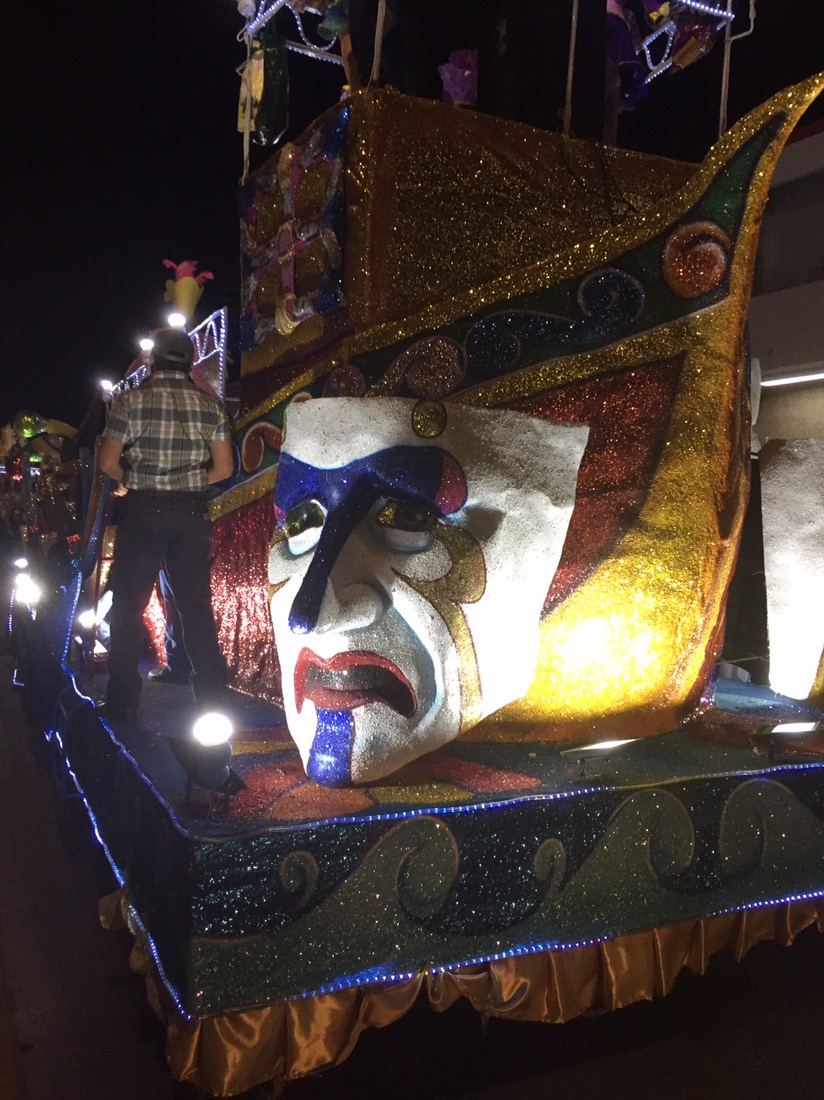
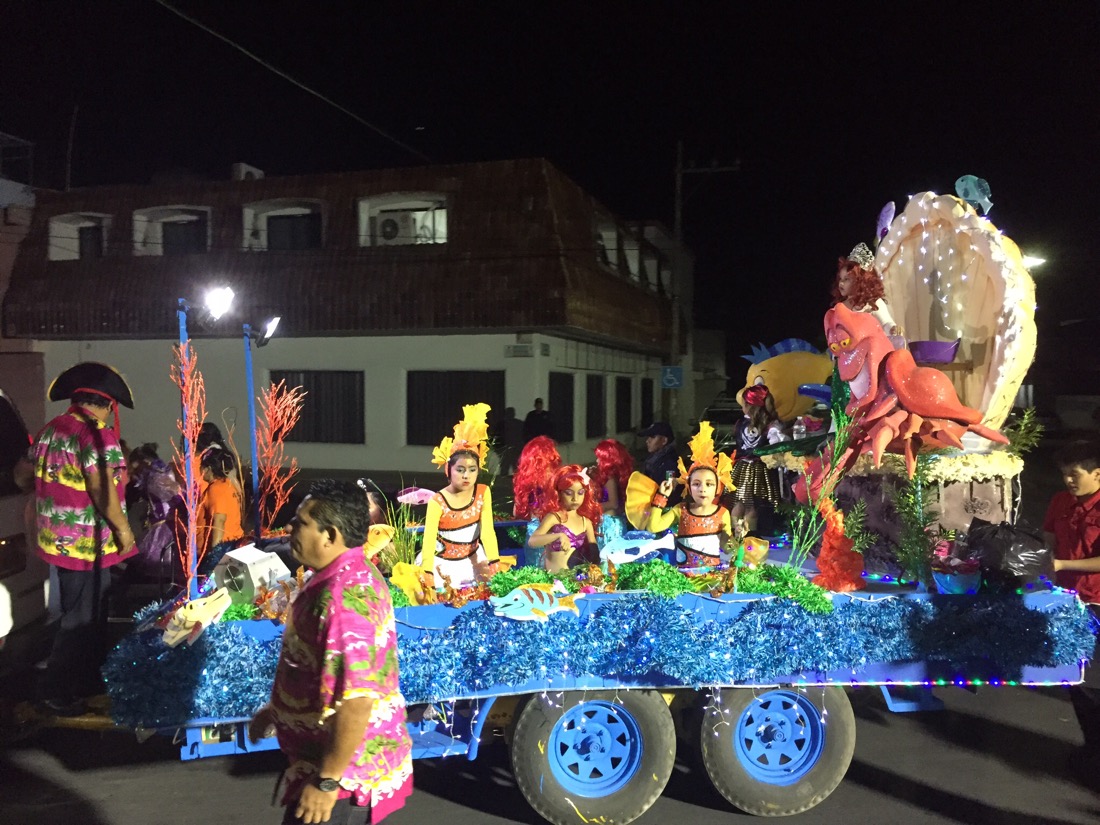
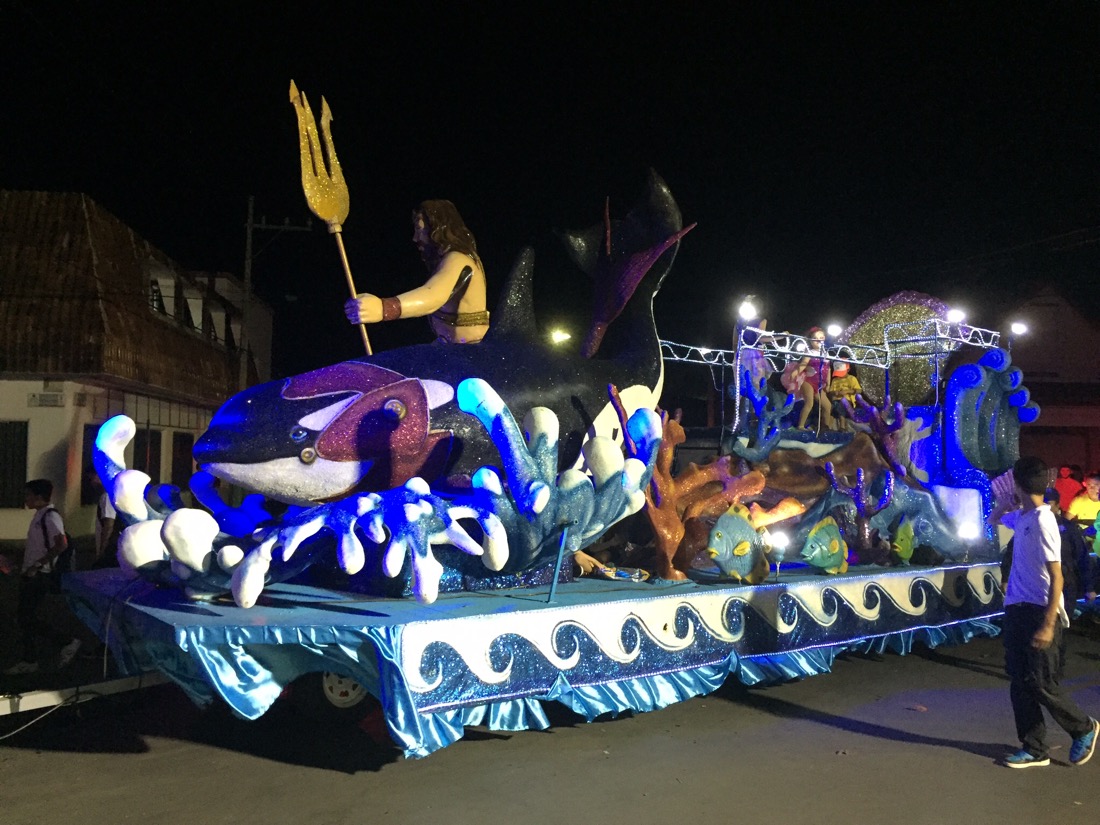
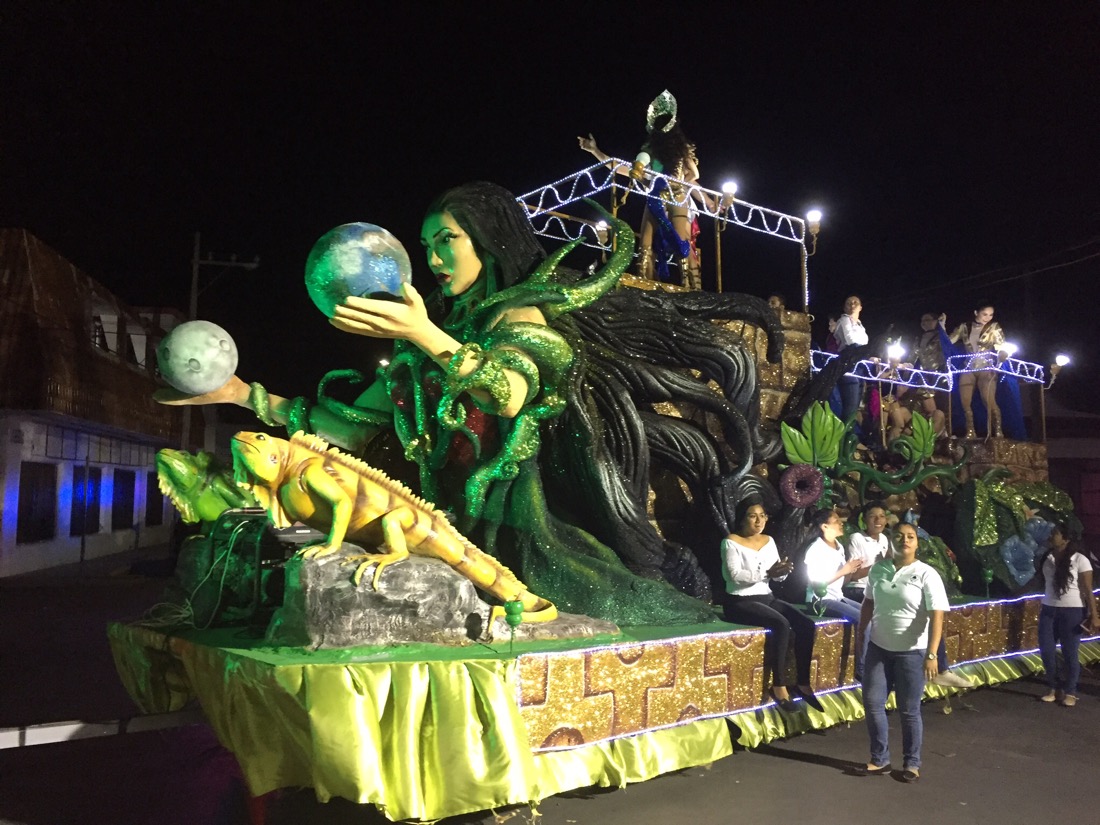
A return visit to Chetumal.

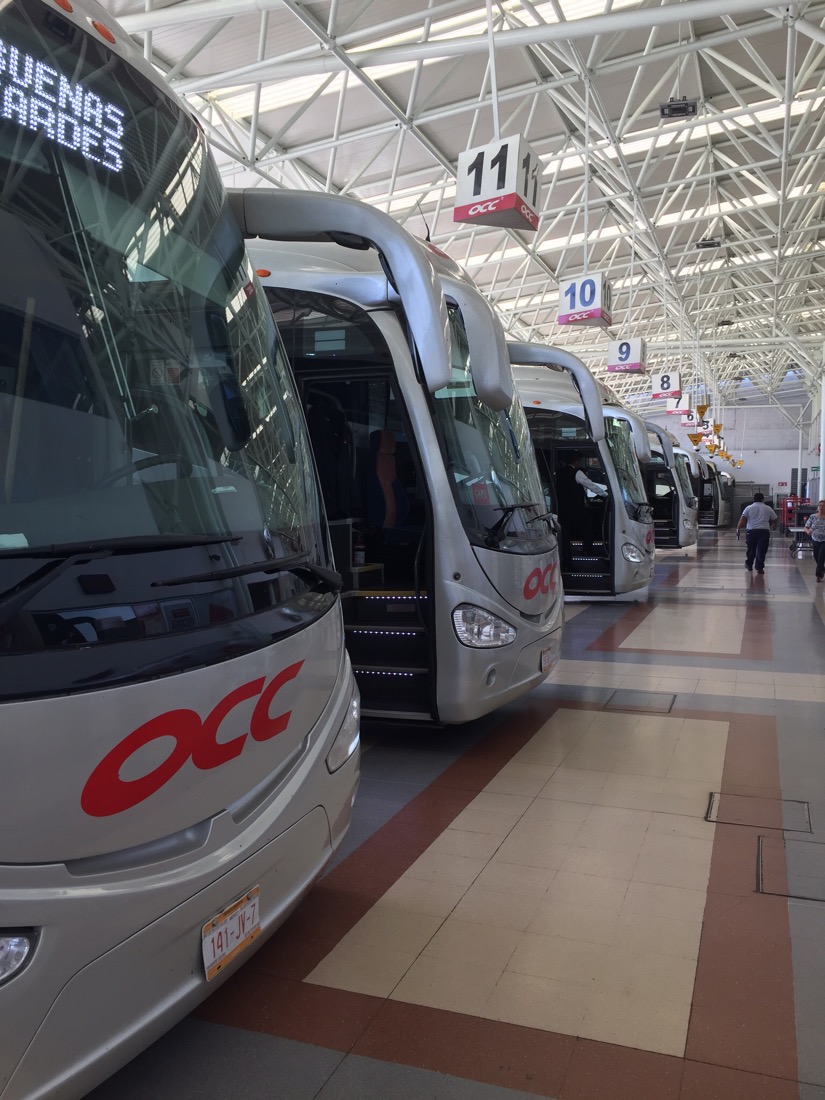
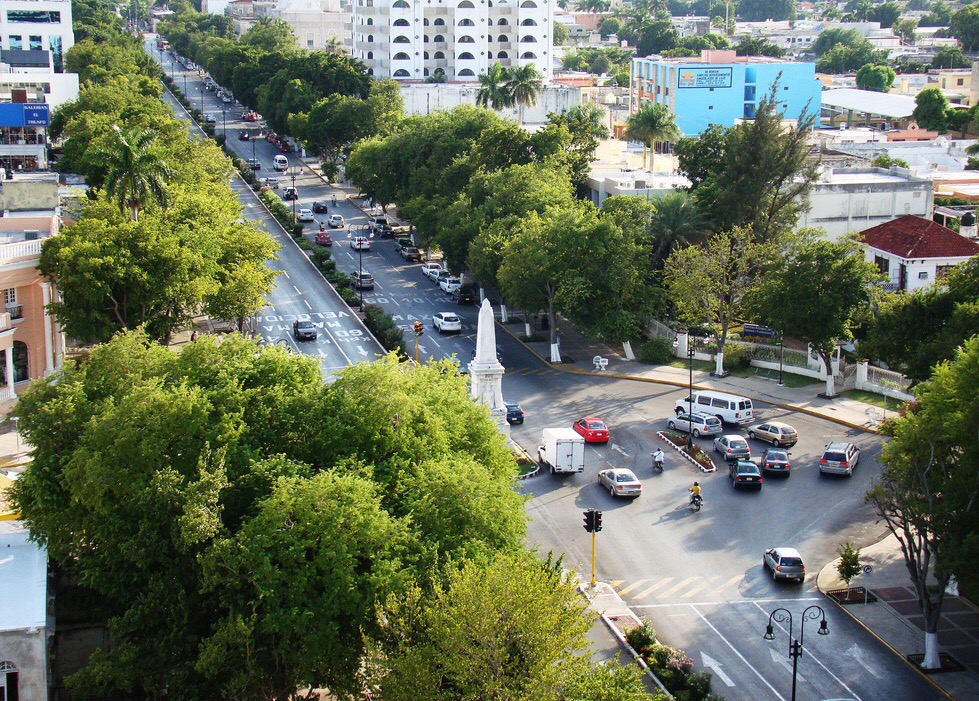
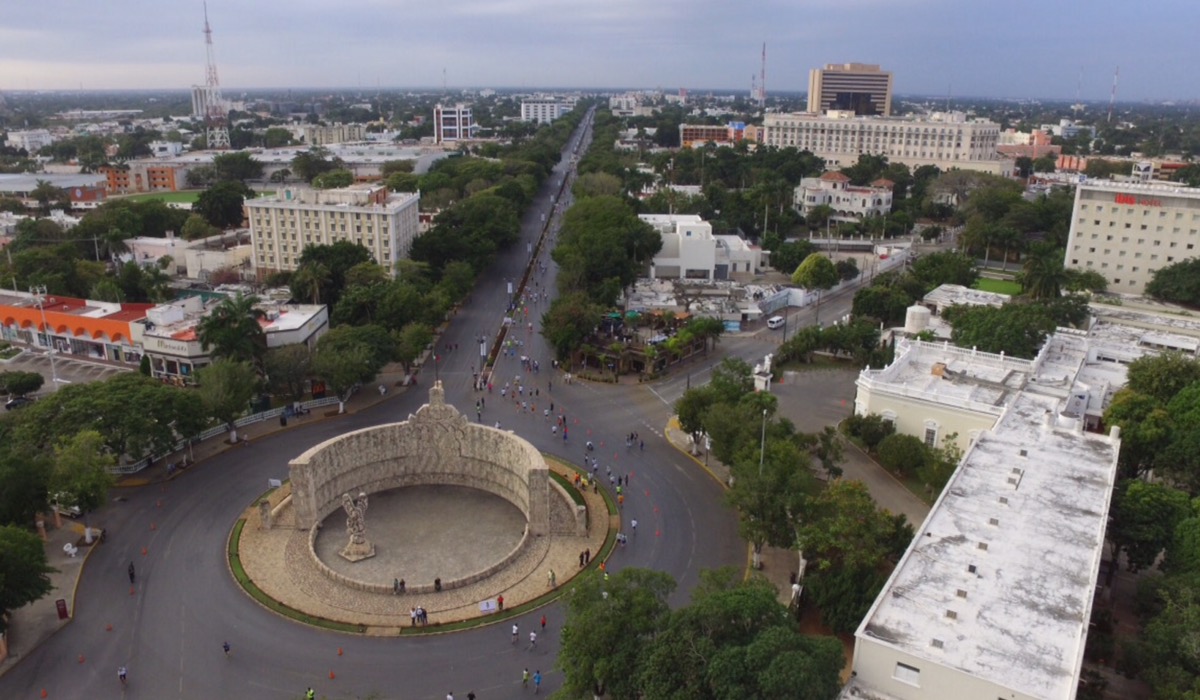
Chetumal (SE Yucatán) was an excellent return transit hub for the next leg of my journey – heading north long the eastern coast of The Yucatán, en route back to Cancun.

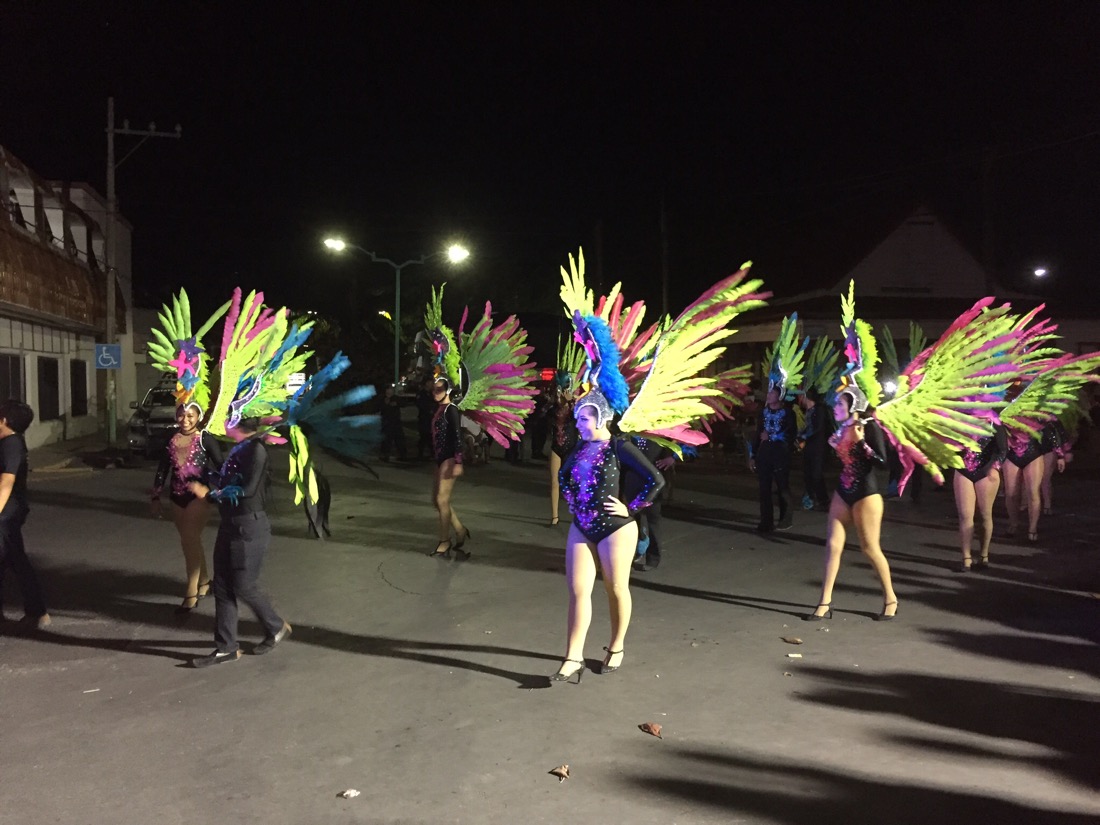
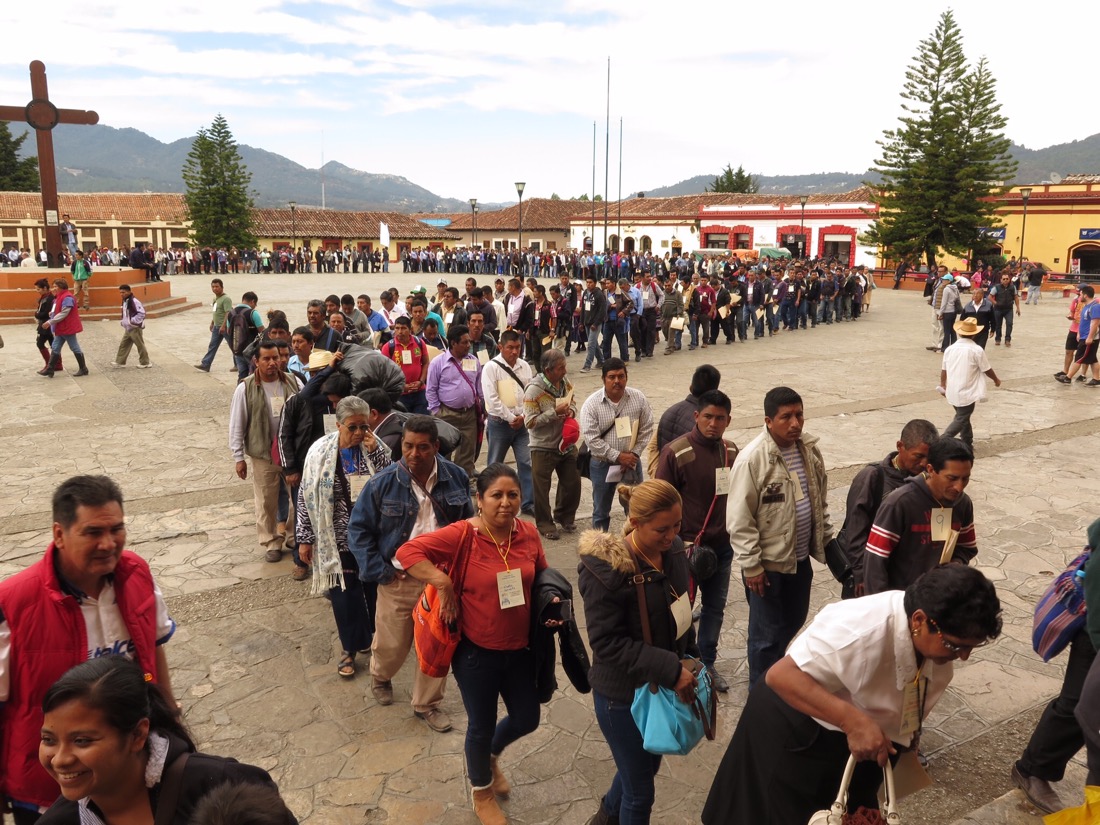
It just so happened that a carnival was taking place the evening I returned.

​​

Next stage: Laguna Bacalar.

Posted in Mexico | Tagged | Leave a comment

The gritty town of Escarcega.

The southern peninsular region from Escárcega to Xpujil, which borders modern-day Guatemala, was the earliest established, longest inhabited and most densely populated region in the Maya world. Here you’ll find the most elaborate archaeological sites on the Yucatán Peninsula.

Hwy 186 heads east across Campeche state, climbing gradually from the unappealing town of Escárcega to a broad, jungle plateau and then down to Chetumal, in Quintana Roo. 

I decided to stay in Escarcega for one night – in order to break up the journey between Palenque and Chetumal, which would have taken over 7-hours by bus!

I should have realised that Escarcega was not a tourist destination when I was the only person disembarking the ADO bus. As I watched it pull out of the deserted bus station I did begin to wonder what I had let myself into. However, a chatty taxi driver whisked me to my hotel and charged less than a pound for the entertaining 10-minute ride.

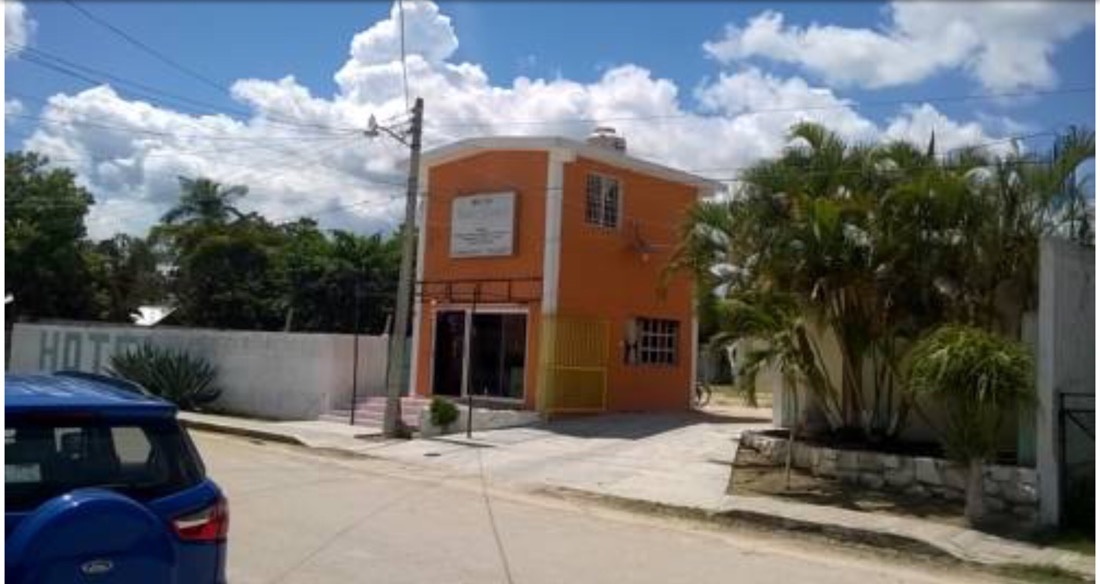
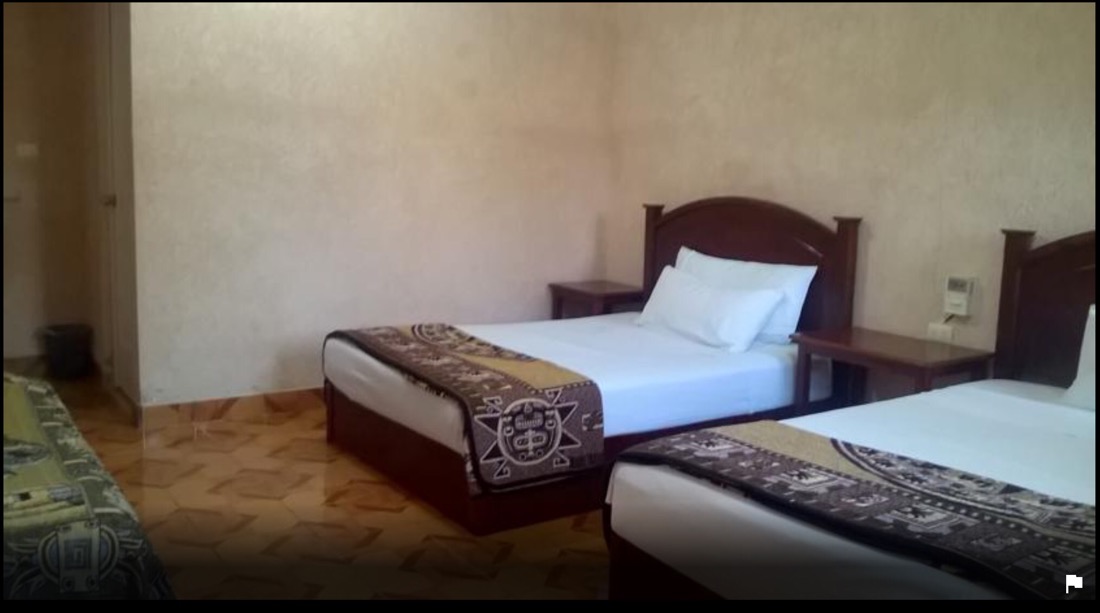
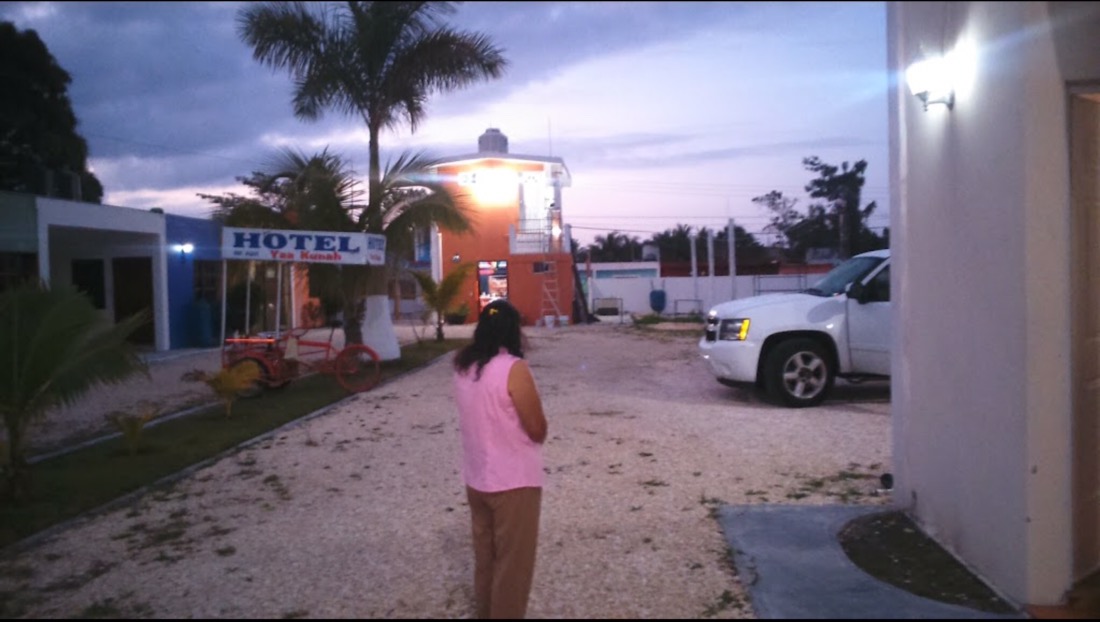
The owners of Hotel Yaakunah are a friendly bunch, and my large room proved to be the perfect ‘office’ to catch up on ‘admin’ work. 

The hotel can be booked via the usual online booking agents, via their Facebook page, or by phoning them directly.

With only a couple of restaurants to chose from (Pizzas only), Escarcega is certainly not a culinary hotspot! I can honestly say I ate the worst pizza ever in Escarcega.
Next stage: A return visit to Chetumal.

Posted in Mexico | Tagged | Leave a comment

Cascades de Misol-Ha (Palenque).

To avoid another long bus journey I decided to spend a night back in Palenque, prior to continuing my journey east – towards Chetumal.
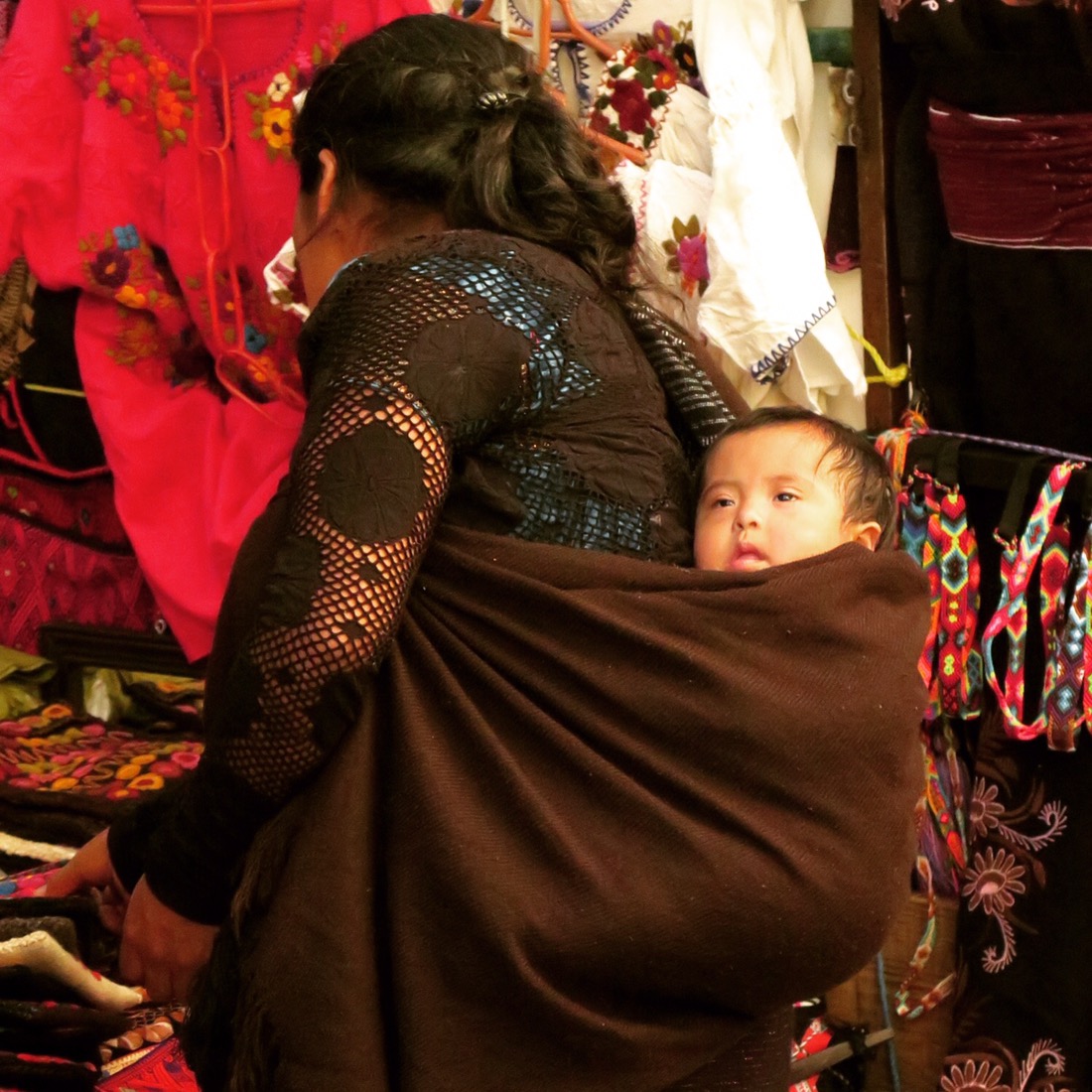
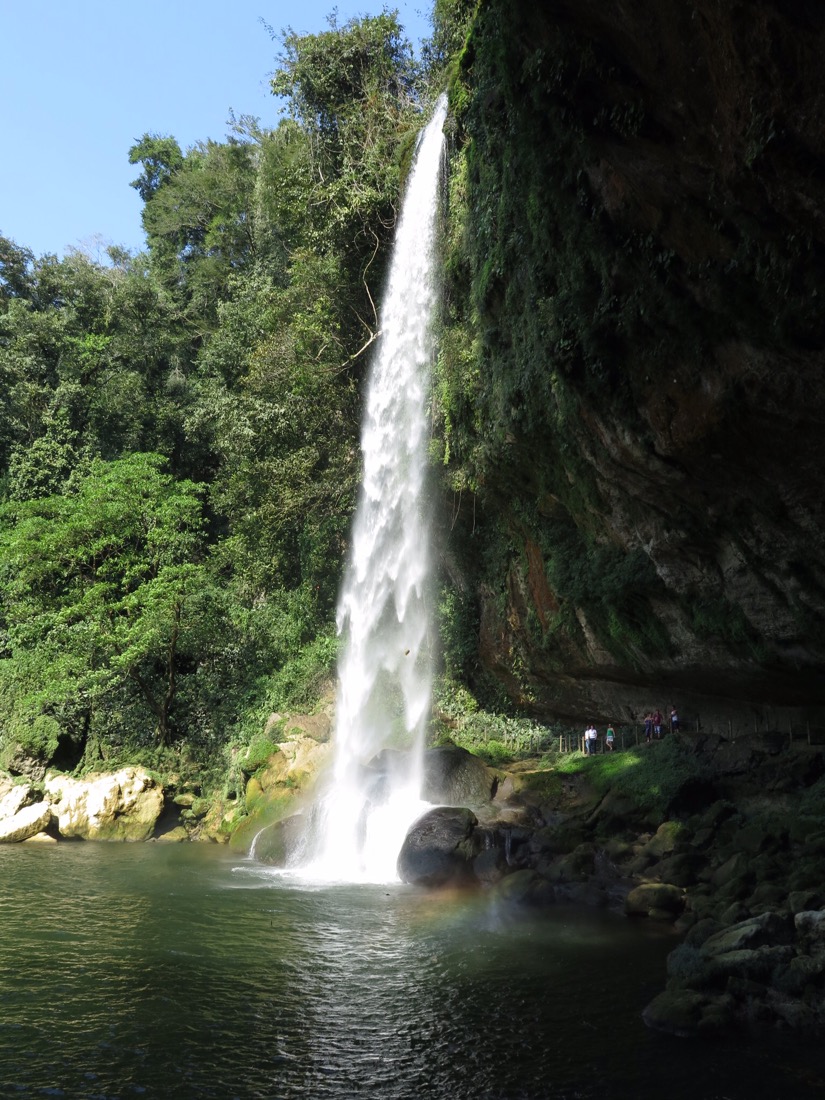
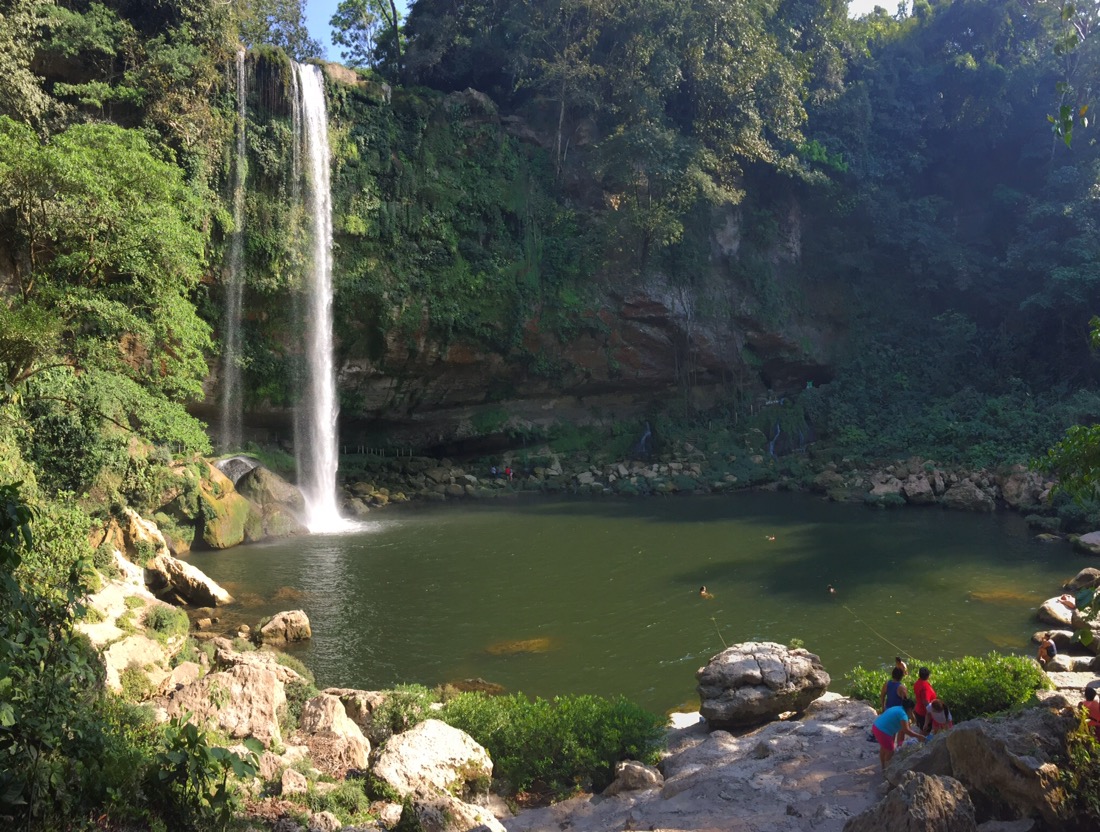
Just 20km south of Palenque, spectacular Misol-Ha cascades approximately 35m into a wonderful wide pool surrounded by lush tropical vegetation. It’s a sublime place for a dip when the fall is not excessively pumped up by wet-season rains. A path behind the main fall leads into a cave, which allows you to experience the power of the water close up.


Next stage: Escarciga.

Posted in Mexico | Tagged | Leave a comment

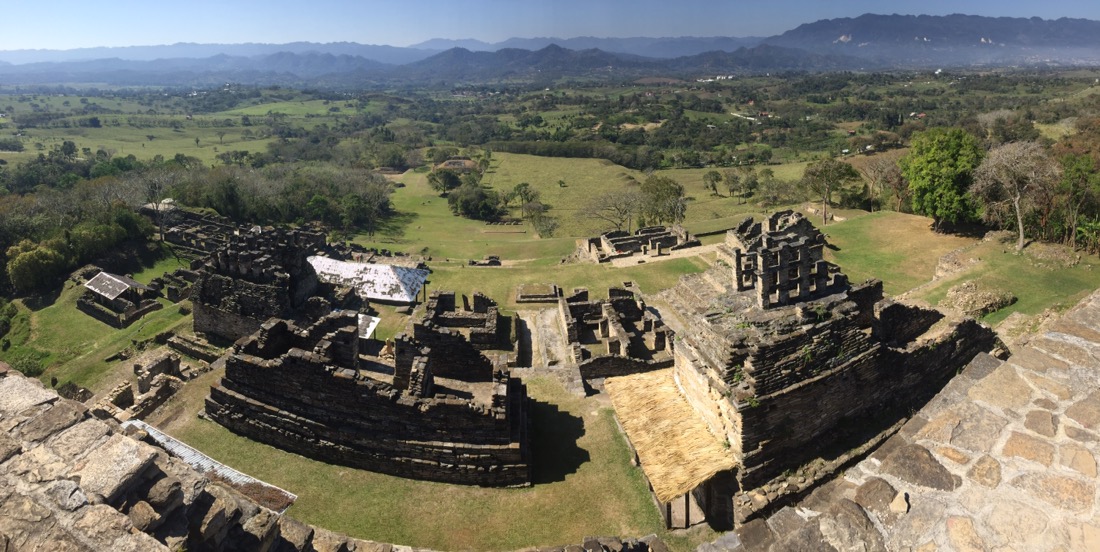
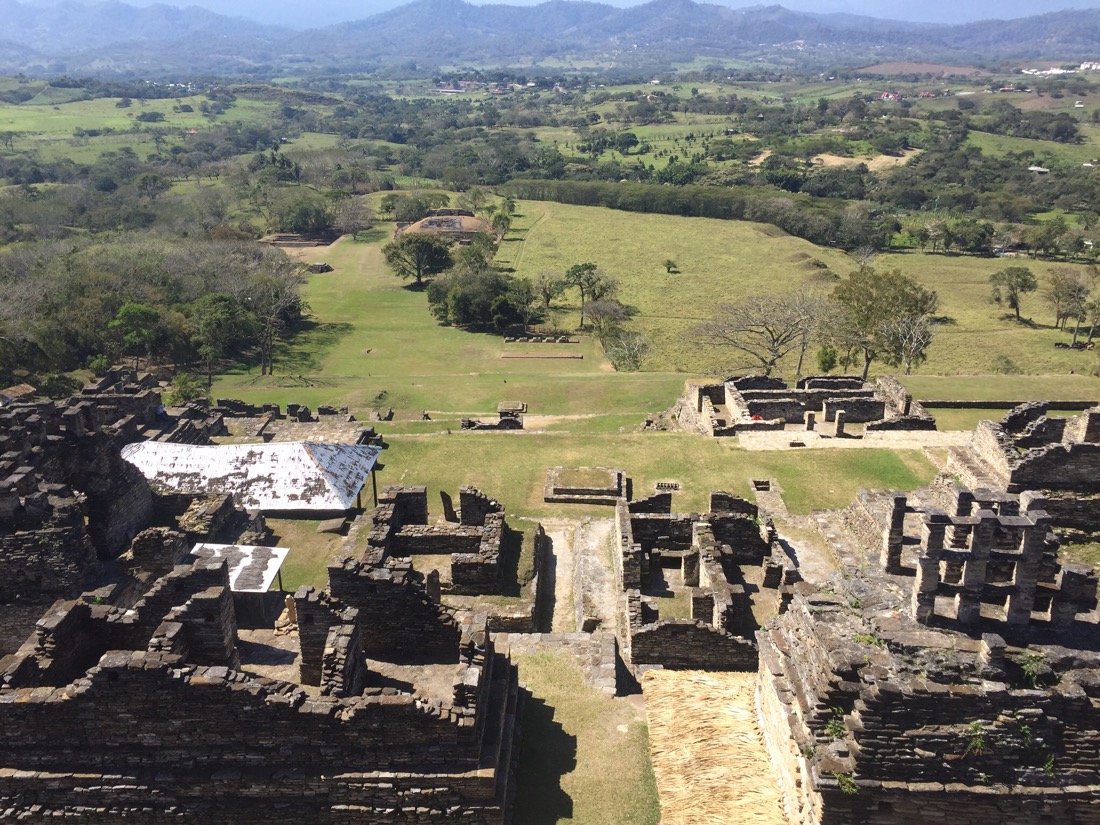
Ocosingo & las ruinas de Toniná.

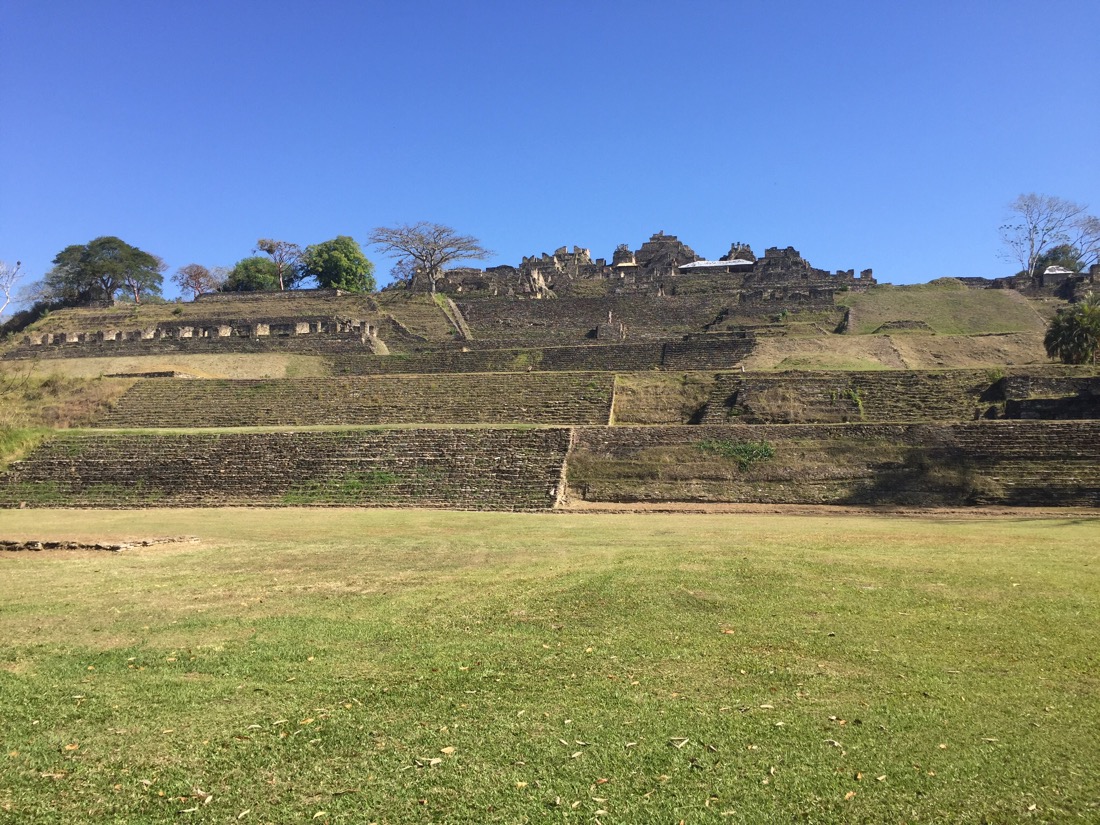
A respite from both the steamy lowland jungle and the chilly highlands, the bustling regional market town of Ocosingo sits in a gorgeous and broad temperate valley mid- way between San Cristóbal and Palenque. The impressive Maya ruins of Toniná are just a few kilometers away.

I could not face the 8-hour journey back to Palenque with the ADO bus so decided to take the ‘colectivo’ (shared mini bus) option of 5-hours, but breaking the journey in two – with a stop over in Ocosingo. The only challenge with this route, which is why ADO no longer use it, is the chance of road blocks and robberies!

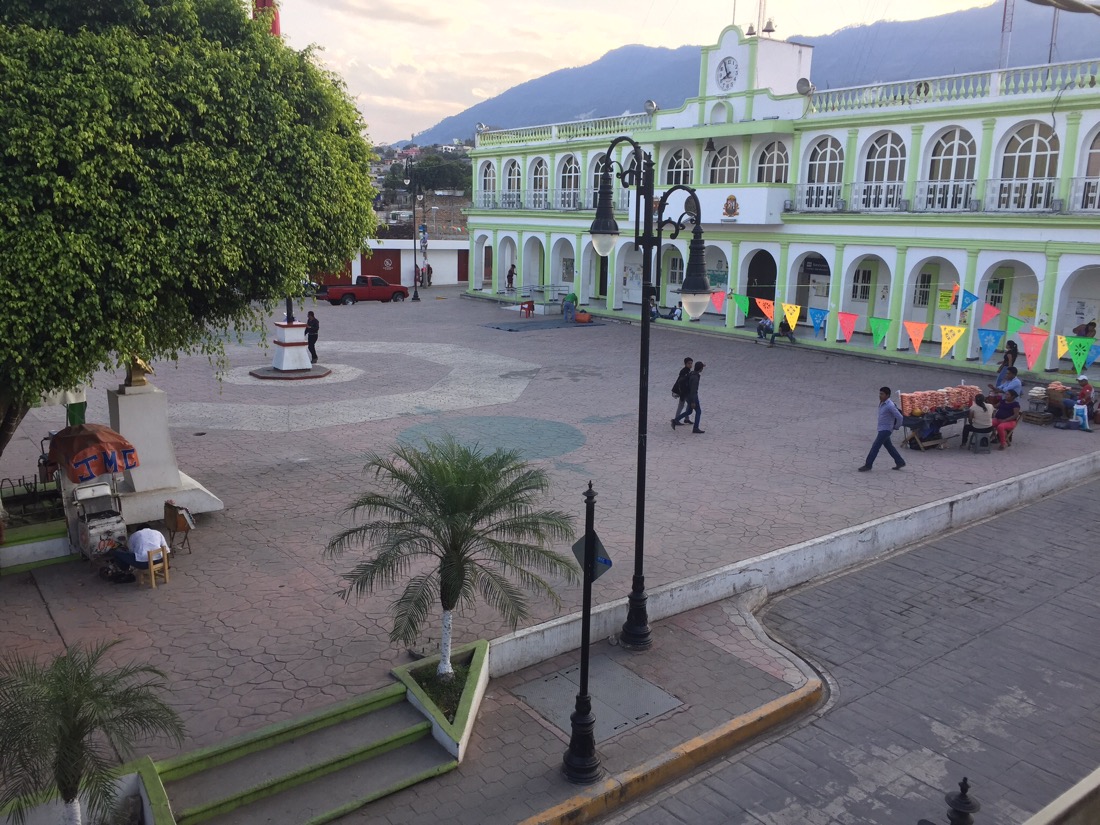
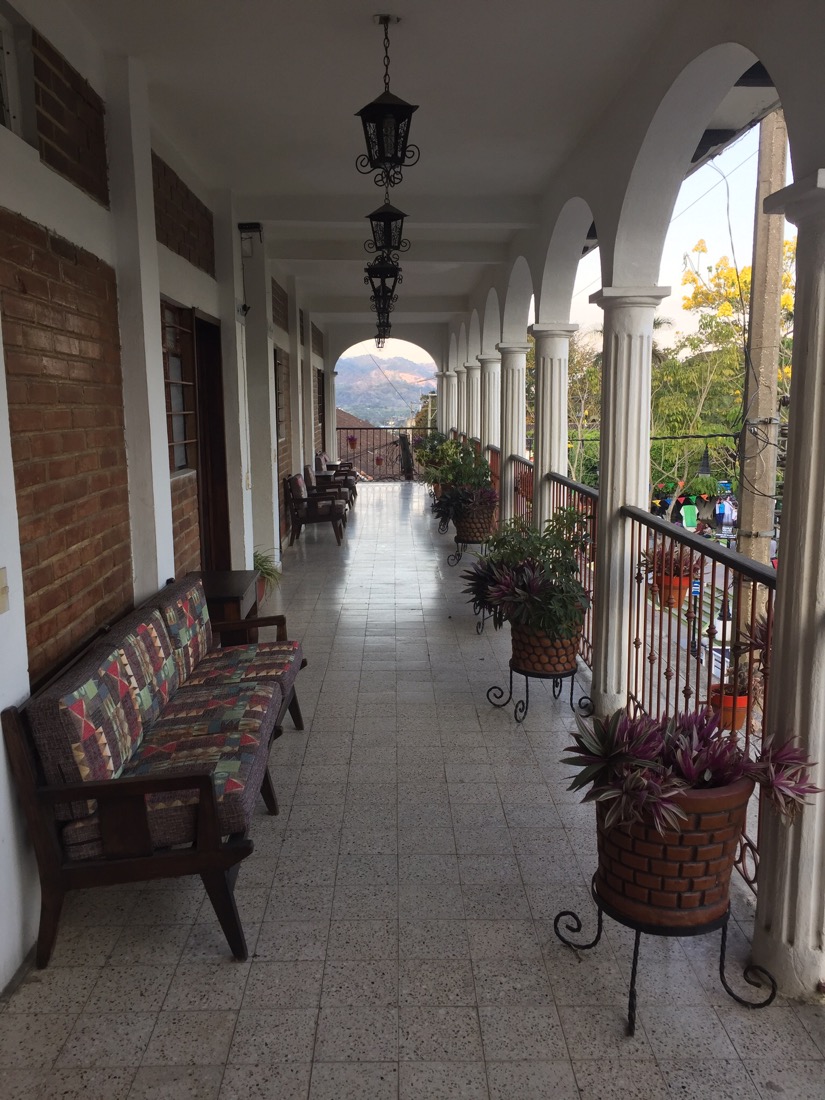
I really enjoyed Ocosingo. I bumped into just a handful of other tourists who were really interesting people to share a beer and a yarn with. I stayed in a small hotel overlooking the main plaza. In the evening, their veranda was a great place to ‘people watch’.


Next stage: Palenque.

Posted in Mexico | Tagged , | Leave a comment

San Cristóbal de las Casas.

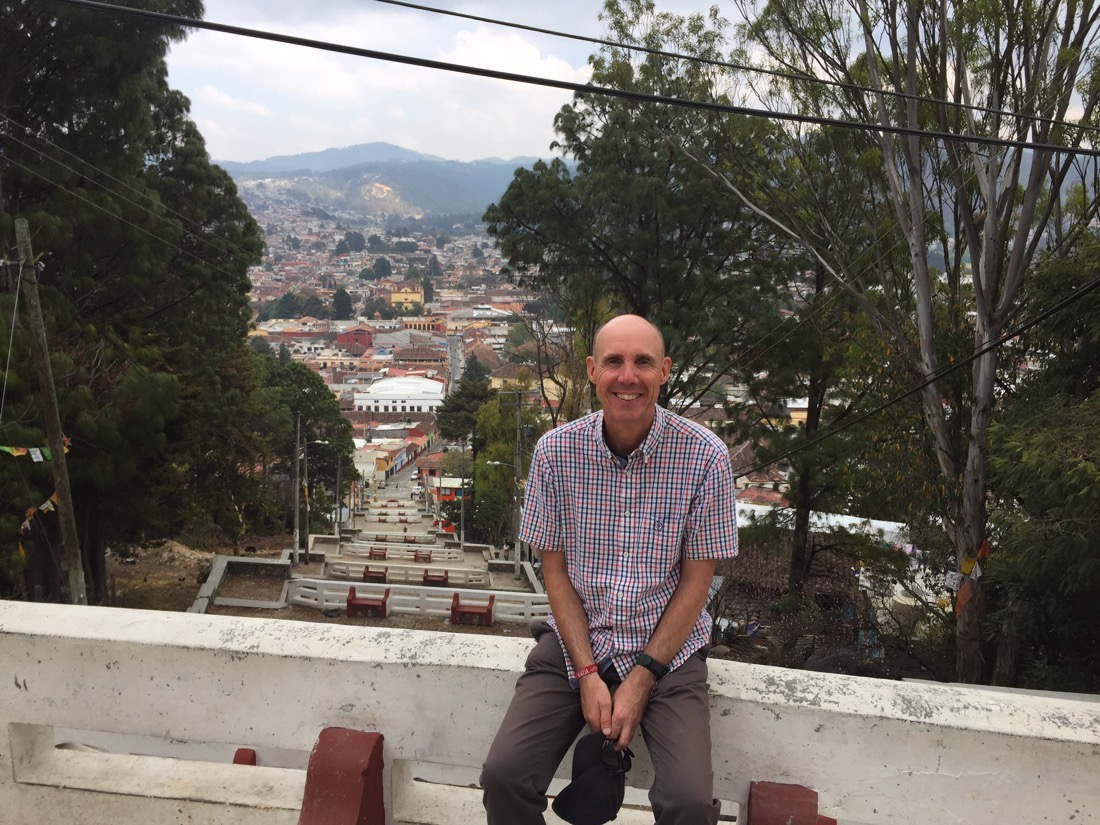
Set in a gorgeous highland valley surrounded by pine forest, the colonial city of San Cristóbal (cris-toh-bal) has been a popular travelers’ destination for decades. It’s a pleasure to explore San Cristóbal’s cobbled streets and markets, soaking up the unique ambience and the wonderfully clear highland light. This medium-sized city also boasts a comfortable blend of city and countryside, with restored century-old houses giving way to grazing animals and fields of corn.

Surrounded by dozens of traditional villages, San Cristóbal is at the heart of one of the most deeply rooted indigenous areas in Mexico. A great base for local and regional exploration, it’s a place where ancient customs coexist with modern luxuries.

The ADO bus from Palenque took 8-hours (via the long route) to get to San Cristóbal. Note to self: return using one of the colectivos (via the shorter route)!

The climate in San Cristóbal is completely different to any of my previous destinations, where day time temperatures can reach 37 deg C. At nearly 2,000 metres San Cristóbal can get quite chilly, especially early in the morning. However, it doesn’t take long to reach an acceptable high of 25 deg C, during the middle of the day.

There is a lot to see and do in San Cristóbal; my original plan of two nights quickly turned into four. My private room at Posada Ganesha was ‘compact’ but clean, comfortable, and welcoming. The thick pile of blankets on the bed made for a great nights sleep.


Next stage: Ocosingo.

Posted in Mexico | Tagged | Leave a comment

The journey so far.

Guatemala, Belize, Mexico.


Mexico with my journey (lower right).

Posted in Belize, Guatemala, Mexico | Leave a comment

Las ruinas de Palenque.

Deservedly one of the top destinations of Chiapas, the soaring jungle swathed temples of Palenque are a national treasure and apparently one of the best examples of Maya architecture in Mexico. Modern Palenque town, a few kilometers to the east, is a sweaty, humdrum place, with little to offer the traveller other than shops and a few god restaurants.

The name Palenque (Palisade) is Spanish and has no relation to the city’s ancient name, which may have been Lakamha (Big Water). Palenque was first occupied around 100 BC, and flourished from around AD 630 to around 740.

Just eight kilometers from Palenque city, the ruins of ancient Palenque stand at the precise point where the first hills rise out of the Gulf coast plain. The dense jungle covering these hills forms an evocative backdrop to Palenque’s exquisite and unique Maya architecture. Hundreds of ruined buildings are spread over 15 sq km, but only a fairly compact central area has been excavated. The forest around these temples is still home to howler monkeys, toucans and ocelots.

Mérida to Palenque took a gruelling 7 hours on the bus, boy was I glad to eventually arrive at my accommodation – Casssa Vlanca.

I will not bore you with all the history stuff about Palenque, suffice to say it is an AMAZING place to visit. My photos do not do the place justice.


Posted in Mexico | Tagged | Leave a comment

Las ruinas de Edzná – Campeche.

The closest major ruins to Campeche are about 53km to the southeast – easily reached by colectivos.  Edzná once covered more than 17 sq km and was inhabited from approximately 600 BC to the 15th century AD. Most of the visible carvings date from AD 550 to 810.

What led to Edzná’s decline and gradual abandonment remains a mystery. Beyond the entrance is a palapa protecting carvings and stelae from the elements. A path from here leads about 400m through vegetation to the zone’s big draw, the Plaza Principal, which is 160m long, 100m wide and surrounded by temples. On your right as you enter from the north is the Nohochná (Big House), a massive, elongated structure that was topped by four long halls probably used for administrative tasks, such as the collecting of tributes and the dispensing of justice. The built-in benches facing the main plaza were designed for spectators to view theatrical and ritual events.

Across the plaza is the Gran Acrópolis, a raised platform holding several structures, including Edzná’s major temple, the 31m-high Edificio de los Cinco Pisos (Five-Story Building). It rises five levels from its vast base to the roofcomb and contains many vaulted rooms. A great central staircase of 65 steps goes right to the top – unfortunately off bounds to visitors.

Nohochná (Big House).

House of the moon.

Edificio de los Cinco Pisos.

Gran Acrópolis.


Next stage: Palenque.

Posted in Mexico | Tagged | Leave a comment

(St. Francisco de) Campeche – Unesco World Heritage Site.

Campeche is a colonial fairyland, its walled city centre a tight enclave of perfectly restored pastel buildings, narrow cobble- stoned streets, fortified ramparts and well preserved mansions. Added to Unesco’s list of World Heritage Sites in 1999, the state capital has been so painstakingly restored you wonder if it’s a real city. Lonely Planet guide to Central America.

The ADO first class coach left Mérida at 11:30 (precisely) and delivered me into Campeche two and a half hours later – ticket price £9.00.

Just when I thought it couldn’t get any better than Mérida, I was presented with the spectacular walled city of Campeche. From a tourists perspective, this really is a fantastic location – with plenty of things to keep you occupied for at least a couple of days.

Casa número 6: This prerevolutionary-era mansion is worth the visit for an idea of how the city’s high society lived. The front sitting room is furnished with Cuban-style pieces of the period.

After a particularly blistering pirate assault in 1663, the remaining inhabitants of Campeche set about erecting protective walls around their city. Following the wall around is a great way to visit a number of museums and sites in one day. Among the favorite stops are two main entrances which connected the walled compound with the outside world – the Puerta del Mar, which opens onto a wharf, and the Puerta de Tierra.

I stayed in Terracotta Corner Rooms, an excellent B&B just outside the walled city itself. The rooms are equipped with fridges, facilitating some healthier eating!

Pastel coloured houses within the city walls.

Beautiful buildings surround the main plaza.

Cathedral backlit.

Casa número 6.

A city tour with one of the trolley buses.

Electric smart cars – city police force.


Next stage: Las Ruinas – Edzná – Campeche.

Posted in Mexico | Tagged | Leave a comment

Paseo de Montejo – Mérida.

Merida’s elegant tree lined Paseo de Montejo is the city’s main boulevard and most fashionable district. Once a primarily residential area, the Paseo de Montejo in Merida has since been commercialized and many of the historic 19th century mansions that line the boulevard have been converted into restaurants, nightclubs, boutique hotels, shops, office buildings and museums.

Located northeast of the central plaza and architecturally reminiscent of Havana, Cuba, the area surrounding the Paseo de Montejo in Merida was developed during the henequen boom of the late 19th and early 20th century as plantation owners looking to move out of the city’s historic centre built gorgeous mansions along this stretch of boulevard.

On Sunday mornings, a weekly event called ‘Bici Ruta’ takes place. The road is closed to traffic and there are bicycles available for rent all the way along the street. Locals, foreigners, families, and couples come out and ride up and down the street as well as around selected areas in the “Centro Histórico”. It’s a great opportunity for people to come together and enjoy this amazing and beautiful city.

Although I didn’t rent a bike and participate in this event, I did enjoy a leisurely walk, admiring the many beautiful mansions, and savouring the relaxed and playful atmosphere.


​Next stage: Campeche.

Posted in Mexico | Tagged , | Leave a comment