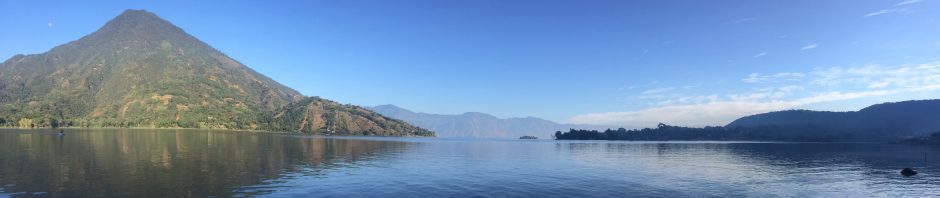
Who needs fellow travellers.

“The tourist may complain of other tourists, but he would be lost without them”. Agnes Repplier.
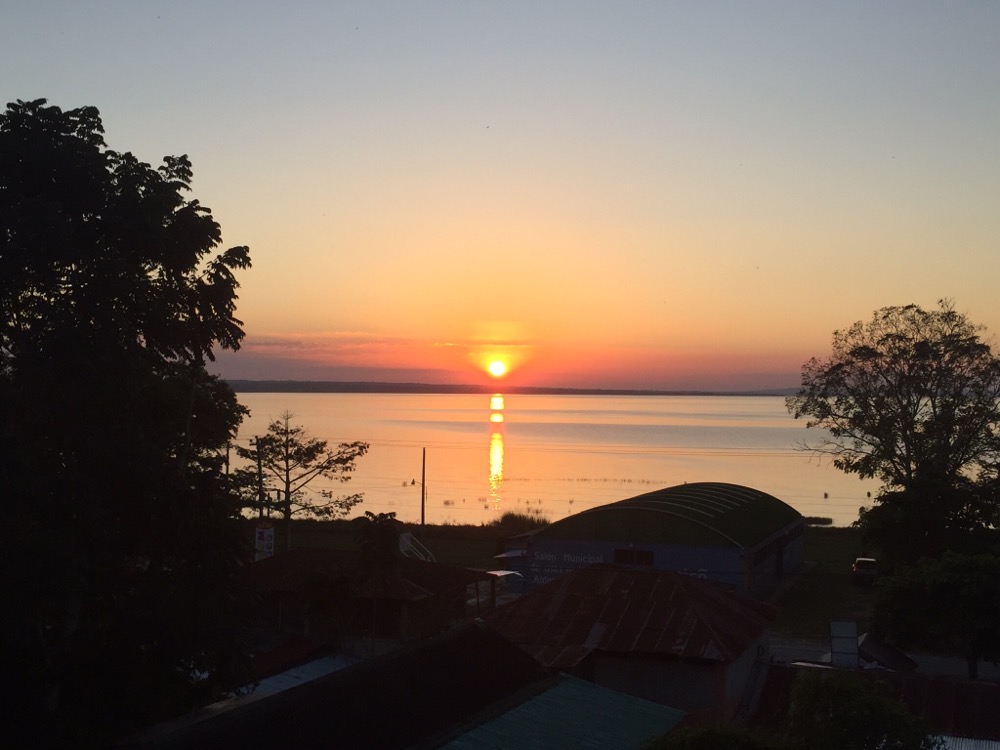
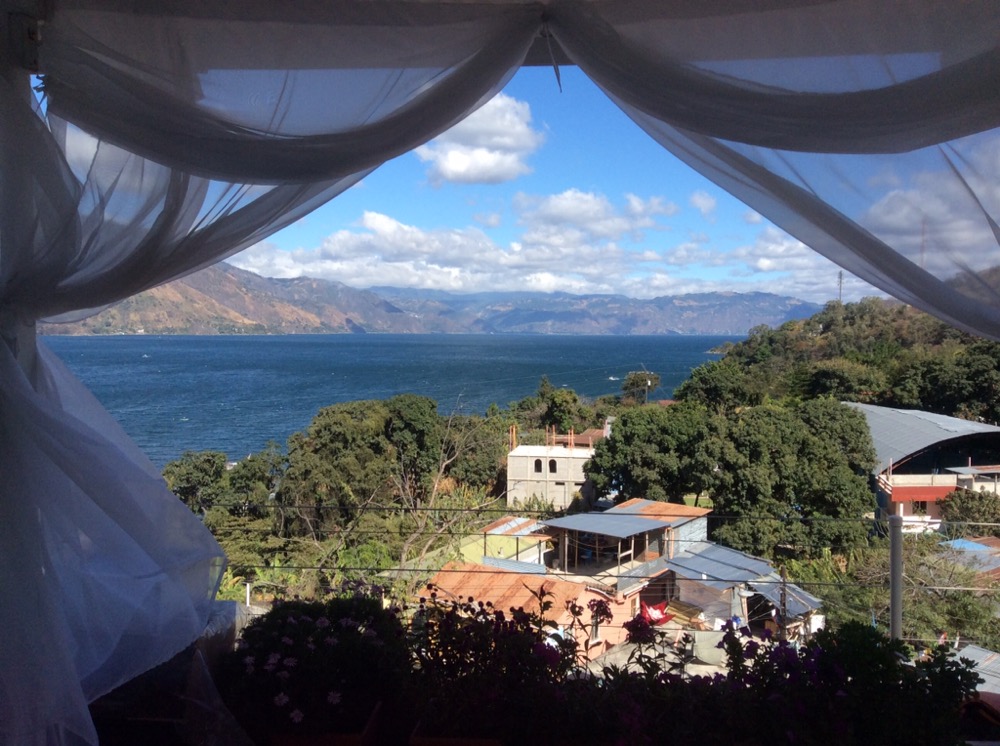
El Remate: sunset over lago de Petén Itzá.


Prior to Flores, I had spent nearly twe weeks without meeting another traveller. Whilst this was good for my Spanish, and my budget, (places ‘off the beaten track’ tend to be less expensive) it got lonely. This all changed once I arrived in Flores. Unsurprisingly, lots of tourists meant higher prices – a theme that was to continue right through my time in eastern Guatemala. Thankfully, the trade off was meeting some really interesting fellow travellers.

One night in Flores, en route to Tikal, had satisfied my curiosity for this interesting but expensive town. On the return journey I decided to check out the small town of El Remate. This idyllic spot, at the eastern end of Lago de Petén Itzá, makes a good alternative for Tikal visitors – it’s more relaxed than Flores, and closer. El Remate has a ramshackle charm all of its own and I really enjoyed it. The two lakeside hostels I wanted to stay at were both full and so I opted for a hotel. Aruma Hotel opened up just under a year ago and I was the only person staying at this pristine 30 room set up, complete with swimming pool. The 4 members of staff looked after me like a prince.

Taking place the day I arrived was a ‘first’ birthday party. The fiesta lasted all afternoon and it was a wonderful experience. Lots of children from El Remate were there – I’ve never seen so many presents handed over to a 12-month old baby.

El Remate also offers some great hiking. Biotopo Cerro Cahuí nature reserve, at the northeast end of Lago de Petén Itzá, covers 651 hectares of subtropical forest. Within are mahogany, cedar, ramón, broom, sapodilla and cohune palm trees, as well as many species of lianas and epiphytes (including bromeliads, ferns and orchids). The views from the Mirador, across the lake, are stunning.

The appeal of enduring a 6-hour bus journey these days has waned; pain on the wallet is preferable to a pain in the backside. As such, I made a midway stop, en route to Rio Dulce, at Finca Ixobel.

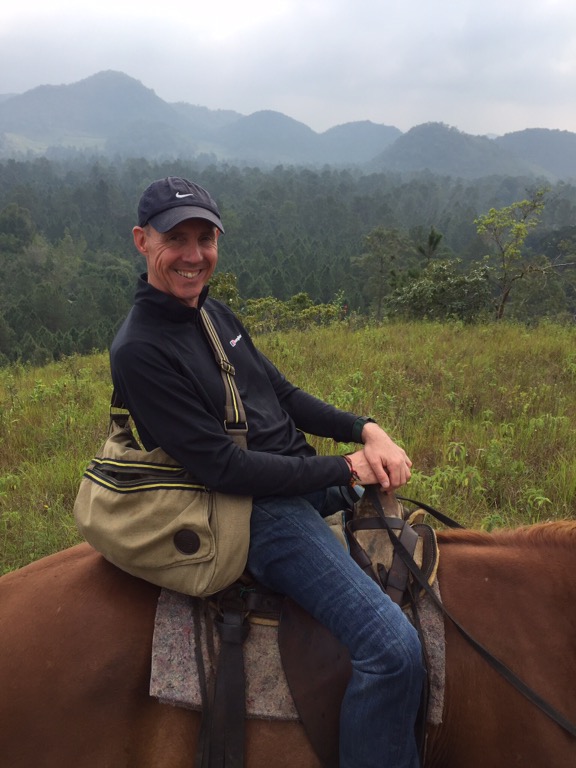
This friendly, relaxed 160-hectare farm www.fincaixobel.com offers tent sites, bungalows and ‘tree house’ along with good homemade meals with veggie options galore. Swimming, horseback riding, caving, and other options are available. Meals here are excellent, including the all-you-can-eat buffet dinner. After 9pm many people move on to the pool bar, where reasonably priced cocktails and other drinks are served. Volunteer opportunities exist for bilingual English-Spanish speakers. I met a delightful French girl by the name of Albane who was volunteering with her friend. I also met Erica from Finland who spent 10-hours, in one sitting, doing one of the most difficult jigsaws I have ever seen. This was despite many of the pieces missing!
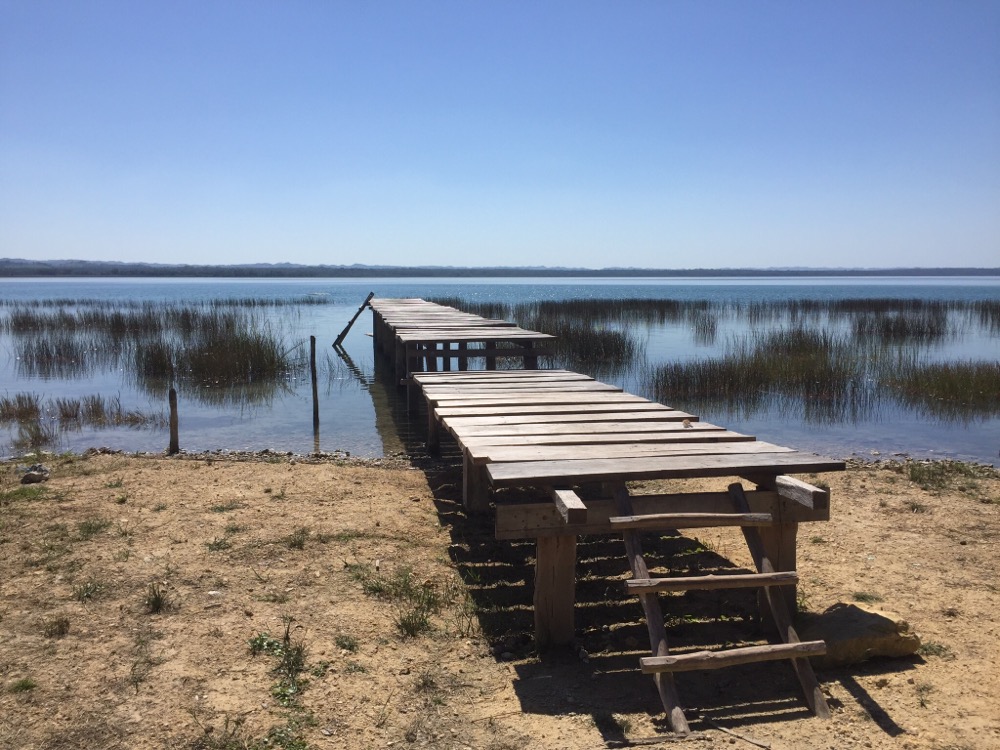
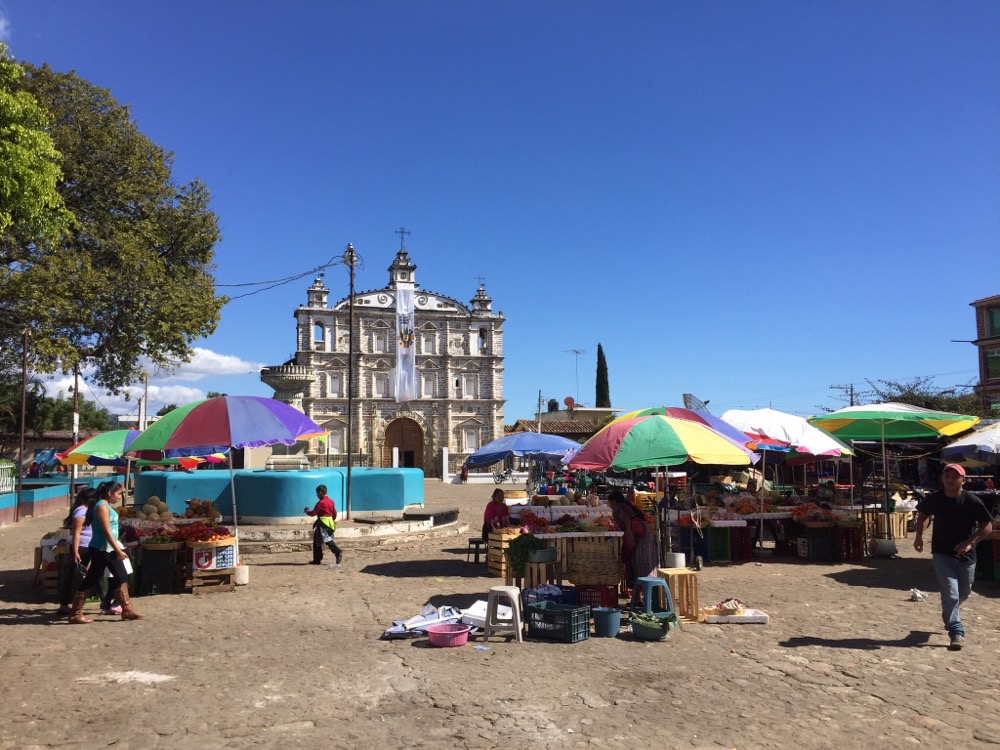
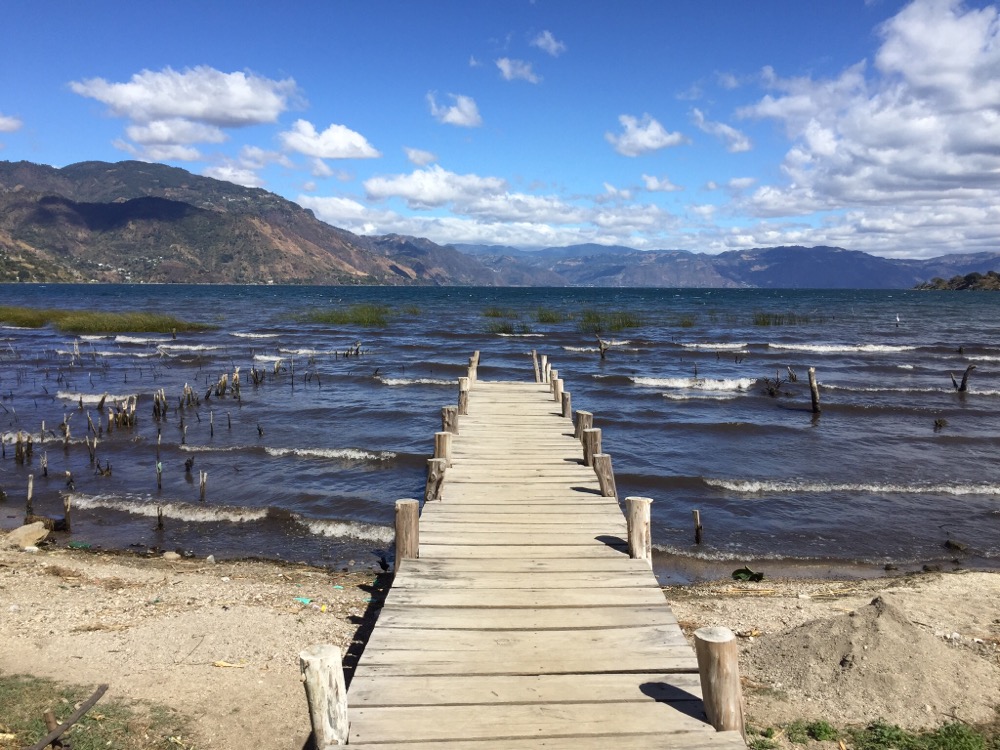
Lago de Petén Itzá, Él Remate.
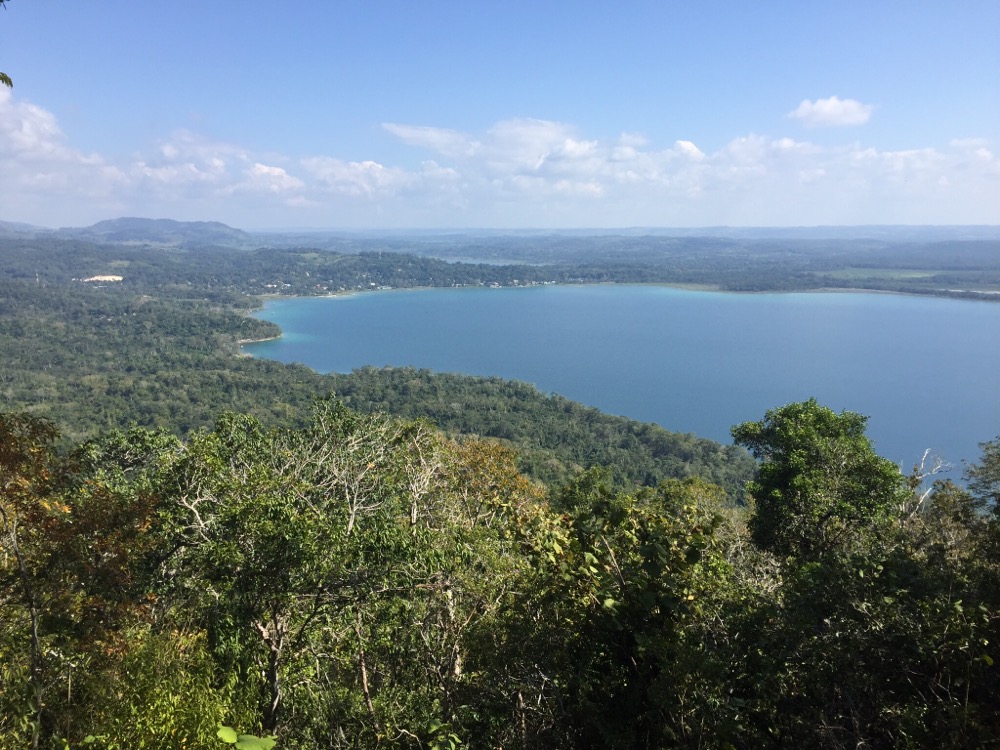
View across lago de Petén Itzá.
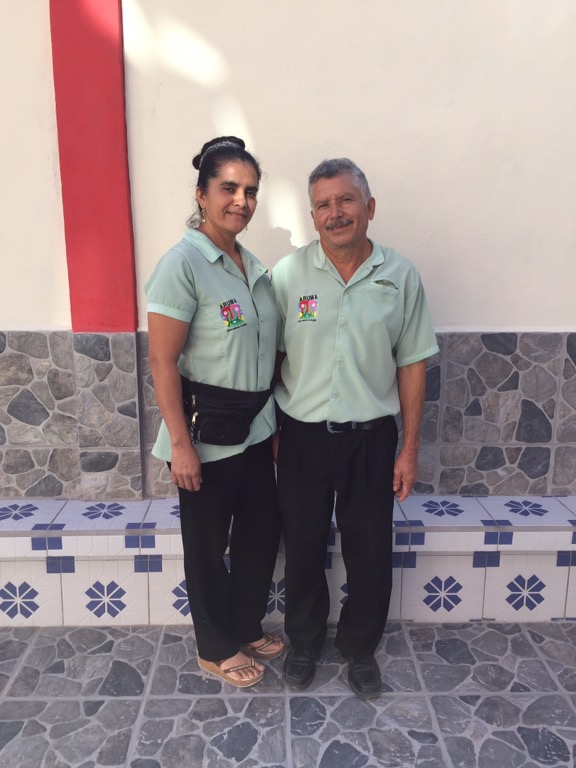
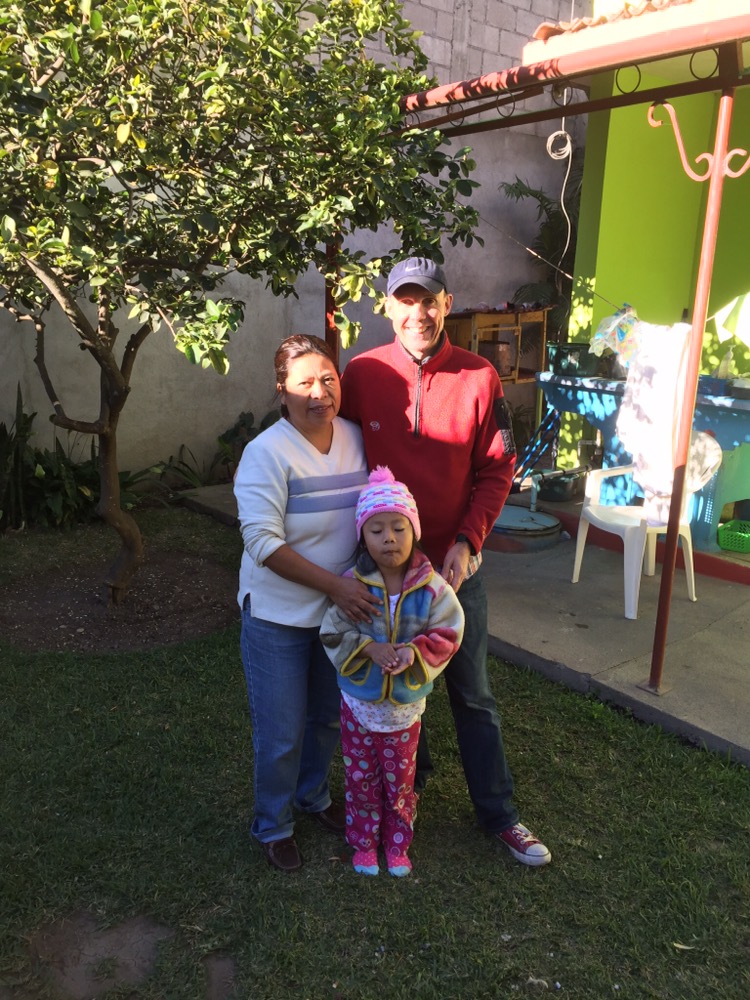
Bernardo and his wife – Hotel Aruma.
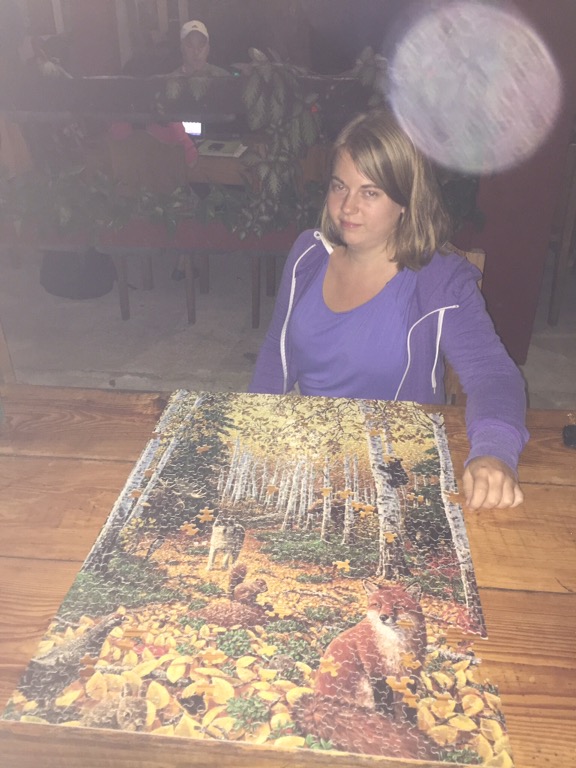
Erica from Finland, who completed this jigsaw in one 10-hour sitting!


Next stage: Rio Dulce.
Posted in Guatemala | Tagged , | Leave a comment

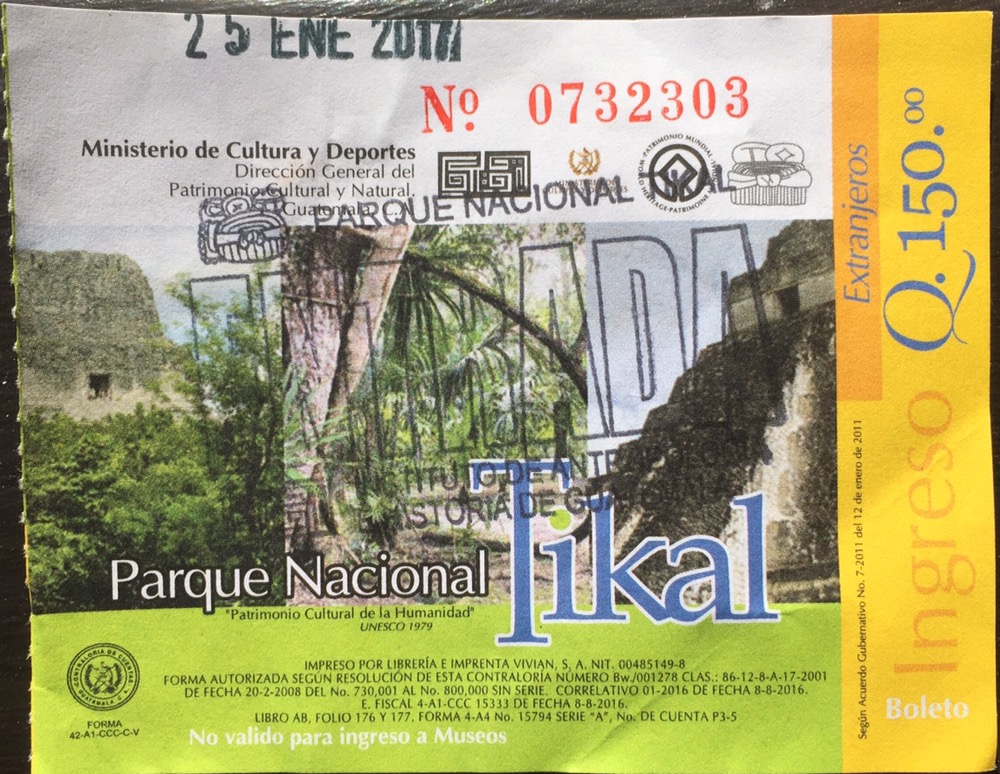
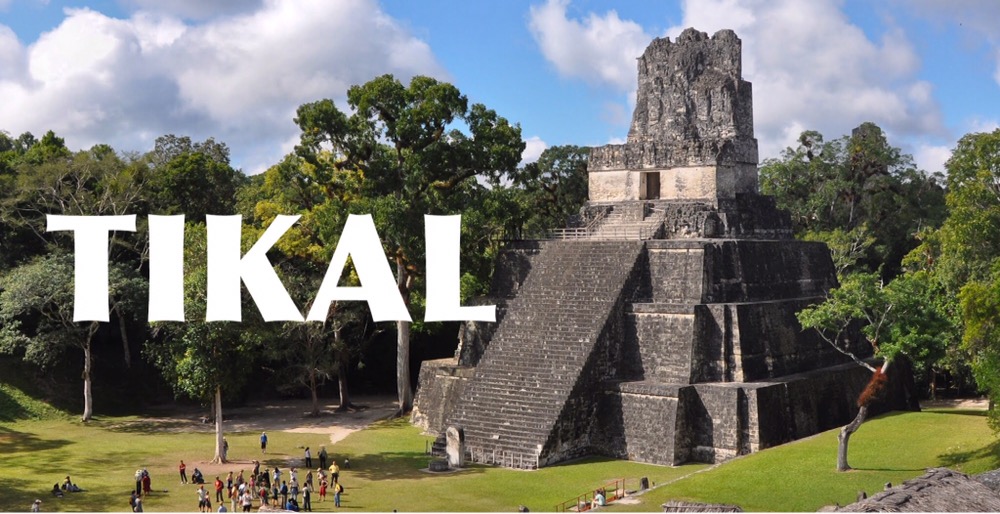
The amazing Mayan city of Tikal.

Abandoned by its original inhabitants more than a thousand years ago, Tikal remained unknown to outsiders for almost a millennium. In 1525, Spanish conquistador Hernando Cortés passed within a few dozen miles of the place without learning of it. Likewise, in 1841, the American diplomat, journalist and explorer John Lloyd Stephens and the British illustrator Frederick Catherwood reported with great fanfare their “discovery” of ruins in the Maya region, but they missed Tikal. Guatemalan archives mention that local people lived in Tikal in the 18th century, but the first official expedition to the ruin wasn’t until 1848. Even “Tikal” is a relatively recent name, derived from the Mayan word ti ak’al, or “at the water hole.” Deciphering Tikal.

This is a great YouTube video: Tikal.

The modern name is fairly ironic given the fact that modern day historians now believe that Tikal was wiped out by drought!

One of my greatest concerns about visiting Tikal, aside from the cost, was that it might not quite live up to all the hype. Lots of travellers, over the years, have said how amazing Tikal is.

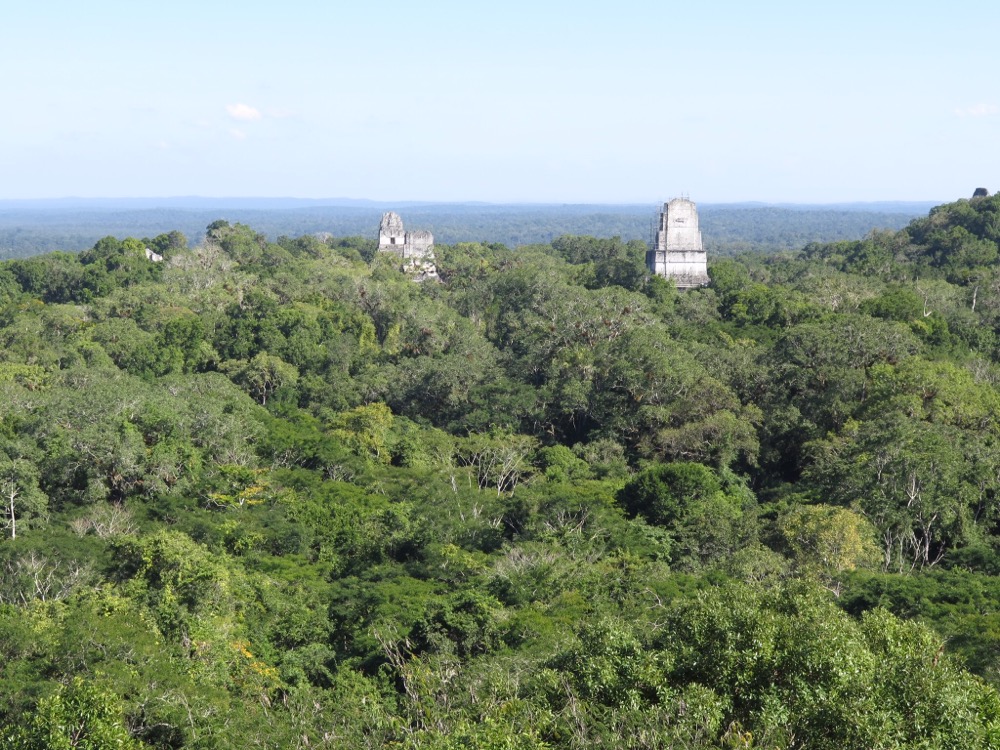
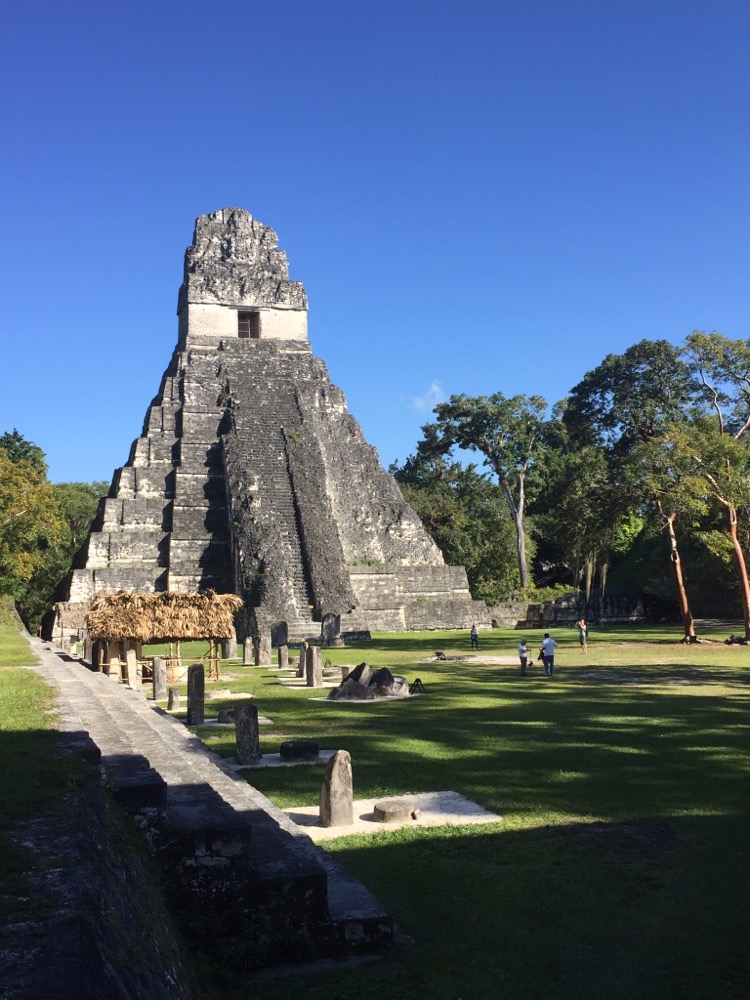
Towering pyramids poke above the jungle’s green canopy to catch the sun. Howler monkeys swing noisily through the branches of ancient trees as brightly colored parrots and toucans dart from perch to perch in a cacophony of squawks. When the complex warbling song of some mysterious jungle bird tapers off, the buzz of tree frogs fills the background and it will dawn on you that this is, indeed, hallowed ground. Certainly the most striking feature of Tikal is its steep sided temples, rising to heights of more than 61m. Tikal is deep in the jungle, about an hours walk from the park entrance, where you buy your ticket. Its many plazas have been cleared of trees and vines, its temples uncovered and partially restored, but as you walk from one building to another you pass beneath the dense rainforest canopy. Rich, loamy smells of earth and vegetation, a peaceful air and animal noises all contribute to an experience not offered by many other Mayan ruins.

Suffice to say, I was blown away by Tikal.

View across Tikal from temple IV.

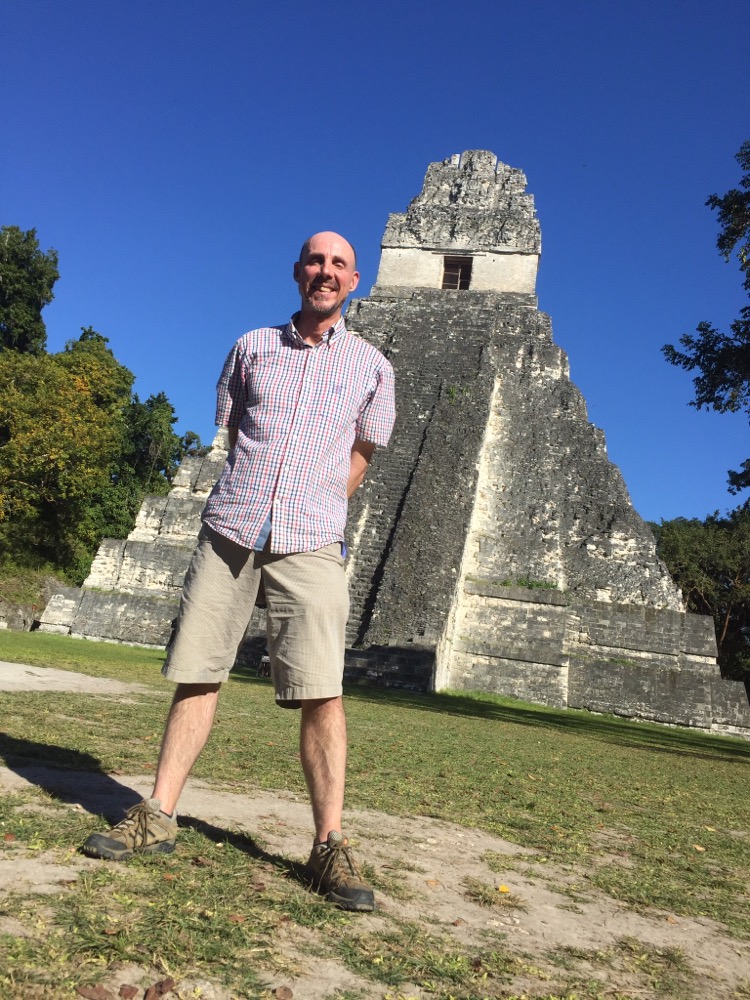
Temple I.


Posted in Guatemala | Tagged | Leave a comment

Coban to Flores (for Tikal).

One of the excursions from Coban is a visit to Chemuc Champey, which I opted not to do (on this occasion). The revues for accomodation and getting there were variable to say the least. In addition, I always try and leave something ‘undone’ thus leaving a reason to go back to a country.

Semuc Champey: Eleven kilometers south of Lanquín, along a rough, bumpy, slow road, is Semuc Champey, famed for its great natural limestone 300m-long bridge, on top of which is a stepped series of pools of cool, flowing river water that’s good for swimming. The water is from the Río Cahabón, and much more of it passes underground, beneath the bridge. Although this bit of paradise is difficult to reach, the beauty of its setting and the perfection of the pools, which range from turquoise to emerald green, make it all worthwhile. Lonely Planet guide to Central America.

Coban to Flores, via Raxruhá, and Sayaxché.

The one hotel town of Raxruhá has little to offer apart from a visit to the Candelaria Caves. These fantastic limestone caves are composed of seven separate caves that are interconnected by the Río Candelaria. The caves are spread across 14 miles (22 km) and have ceilings that reach as high as 200 feet (60 m). Candelaria is one of Central America’s largest cave systems. Unfortunately, there weren’t any other guests to join the tour so I had to give it a miss on this occasion; yet another reason to visit Guatemala again.

Sayaxché, on the south bank of the Río de la Pasión, 61km southwest of Flores, is the closest town to nine or so scattered Maya archaeological sites, which are both tricky and expensive to get to. For the majority of travelers, including me, it was little more than a transit hub for Flores. I spent one night here, at Hotel Del Río, simply to break the journey up.

Flores is spectacularly located on an island in Lago de Petén Itzá. Small hotels and restaurants line the lakeside streets, meaning you don’t have to shell out too much money to get a room with an awesome view. It does have a slightly twee, built-up edge to it, though, and many Tikal-bound shoestringers opt for the natural surrounds and tranquillity of El Remate, just down the road. More on this in my next post.


Above & below: Hotel Cancuen – Raxruhá.


Above: Ferry crossing at Sayaxché.


Above: View from my guesthouse balcony.

Posted in Guatemala | Leave a comment

Coban, a culinary delight.

“The surprise is that you continue to be surprised.” ― Jill A. Davis.

Not so much an attraction in itself, but an excellent jumping-off point for onward destinations. Cobán is a prosperous city with an upbeat feel. It also has a couple of surprises up it’s sleeve – great accomodation options and some excellent restaurants. 

In the 19th century, German immigrants moved in, founding vast coffee and cardamom fincas and giving Cobán the look and feel of a German mountain town. The era of German cultural and economic domination ended during WWII, when the US prevailed upon the Guatemalan government to deport the powerful finca owners, many of whom supported the Nazis.

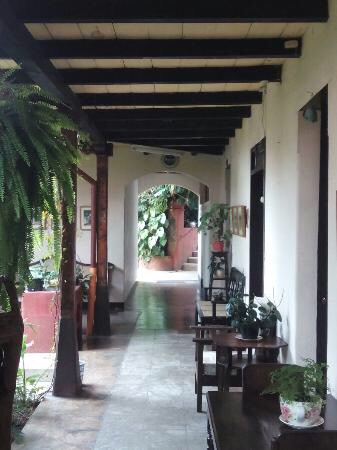
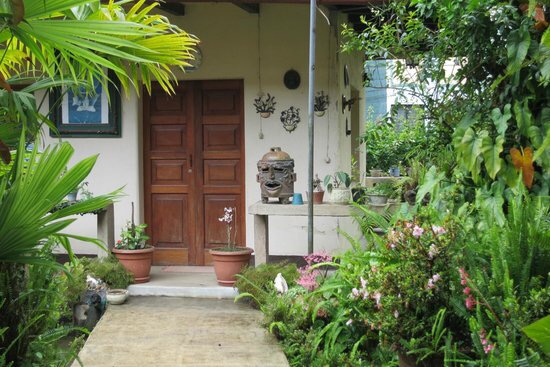
I chose to stay at Pensión Monja Blanca; calle 6-30 2a, Coban. Despite being on a busy street this a peace place to stay. Spotless rooms are arranged around a lush garden packed with fruit and hibiscus trees. Each room has an old-time feel to it and is furnished with good-quality beds with ‘folksy’ covers.

One of my favourite restaurants was La Abadía; calle Belice 3-98 Coban. The ambience, and quality of food here is first class.

Coban provides many options for onward travel including: Guatemala City, Chemuc Champey, and Flores, to name but a few.

Pensión Monja Blanca (above).


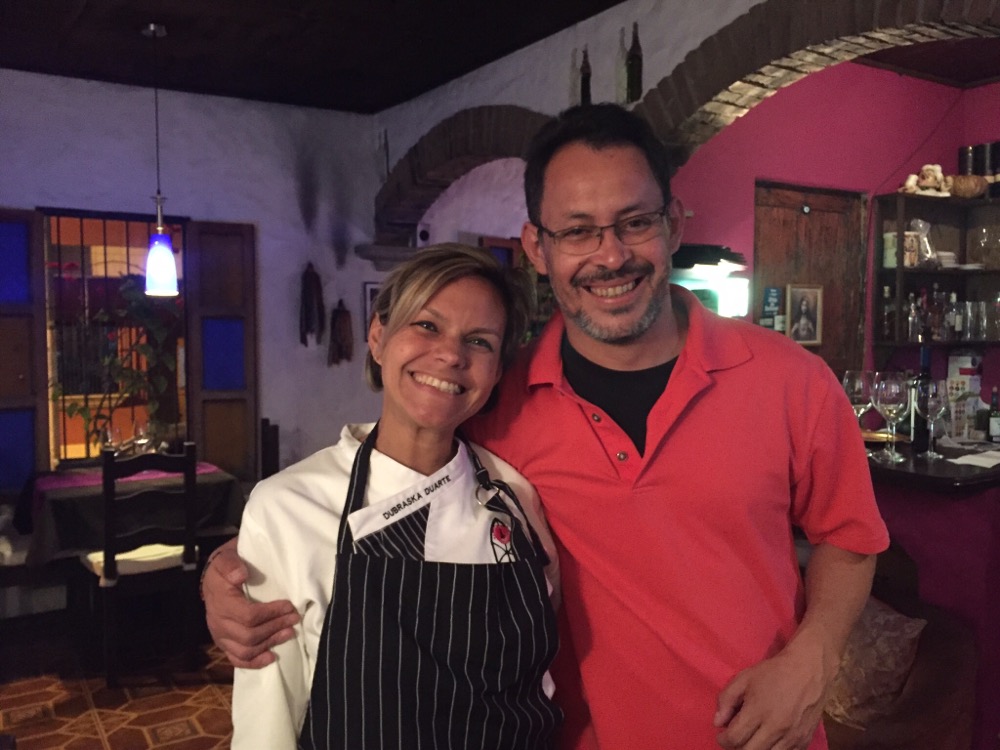
The owners of Restaurant La Abadia (above).

Next stage: 2 stopovers en route to Flores.

Posted in Guatemala | Tagged , , | Leave a comment

Guatemala and its connection with Ironbridge (Shropshire).

 “During the reign of Queen Victoria Britain emerged as the most powerful trading nation in the world…” Paul Atterbury. British History In Depth.

Salamá:

The town itself is known for its ornate church (complete with grisly depiction of Jesus), bustling Sunday market and the photogenic ex-sugar-mill-turned-museum and impressive stone aqueduct in the neighboring town of San Jerónimo. In addition there are a couple of very nice hotels and a few decent restaurants and cafes around the plaza.

San Jerónimo.

About 10 kilometers from Salami is the wonderfully atmospheric town of San Jerónimo. This is about as clean and pleasant as highland Guatemalan towns get. The weather, at a comfortable altitude around 1,100 meters (3,600 feet), is just warm enough. San Jerónimo has an interesting history, as it was here that sugarcane cultivation first made in-roads into the local economy with the establishment of Ccntral America’s first sugar mill by Dominican friars in 1601. The new crop came from Jamaica, along with new technology and 700 slaves from the island nation.

During the 17th century, the friars built a Roman-style aqueduct with 124 archways to bring water to the sugar mill and town as production continued to increase. Wine and moonshine were also eventually produced in addition to sugar. The growth of these industries would be checked in 1829 with the expulsion from Guatemala of various religious orders under the liberal government of the time. You can still see the old remains of the archways scattered throughout town, giving San Jerónimo a unique feel.

Museo del Trapiche.

The town’s most interesting attraction is the Museo del Trapiche set on the grounds of the old Hacienda San Geronimo, Central America’s first sugar mill. It once housed 1,000 workers and boasted a production of 90 tons of processed sugar per year, a figure matched only by the great sugar mills of Mexico and Brazil. 

Among the relics still in situ are a giant press and metallic waterwheel measuring seven meters in diameter and weighing a ton. The equipment was built by Fawcett Preston & Co of Liverpool (England) during the middle of the 19th Century. The company was founded in 1758, by George Perry, as the Liverpool branch of the Coalbrookdale Foundry at Ironbridge in Shropshire.


Next stage: Coban.

Posted in Guatemala | Tagged , , , | Leave a comment

What’s the alternative?

‪”If you think adventure is dangerous, try routine; it’s lethal.” – Paulo Coelho.

Traveller Tip: An alternative route to Salamá, and onto Coban, for Semuc Champey and/or Flores:

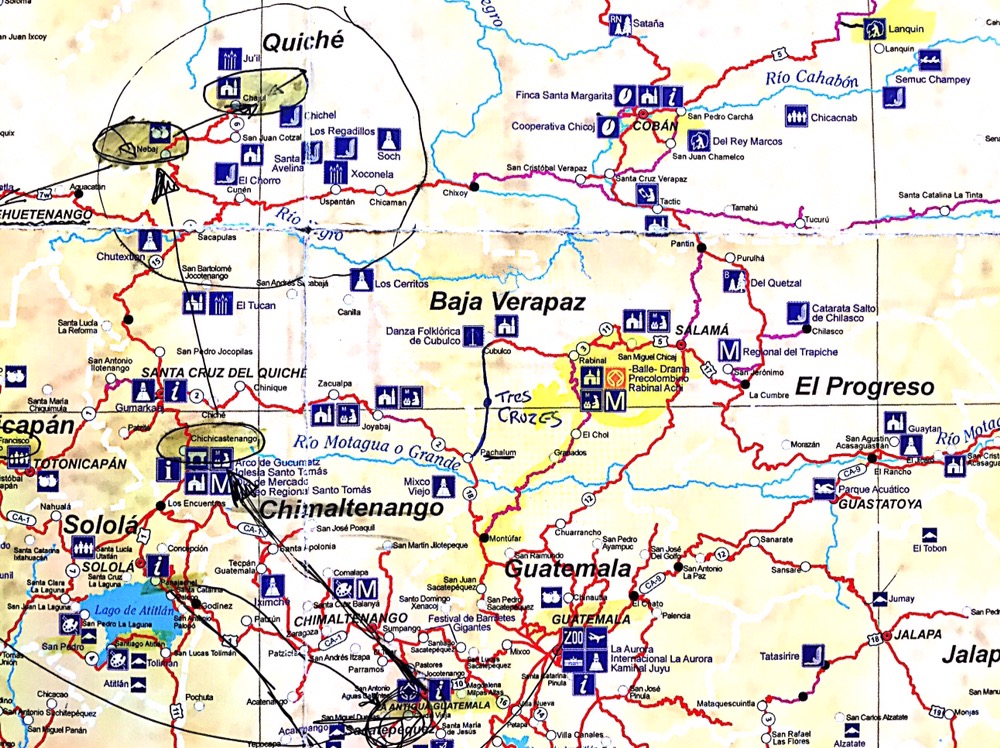
For most travellers the main route from Panajachel to Coban is via Antigua and Guatemala, using private transport. However, there is an ‘off the beaten track’alternative using solely public transport. Admittedly, the route consists of quite a few bus changes, but it’s a great way to immerse yourself into the culture of Guatemala and to experience some beautiful countryside. This is not journey for the feint hearted as large sections of the route are simply dirt track roads. However, for the more adventurous traveller, it’s an interesting option to consider.

From Pana you take a ‘chicken bus’ to Sololá (20 minutes, 3Q) Then it’s a micro bus to Los Encuentras (30 minutes, 3Q) Here you can catch a chicken bus to Joyabaj via Chichicastenango. Chichi is an interesting place to visit, and so are quite a few other places around here. Refer to my previous blogs for more information; The Chez Daniel Loop (part one) and The Chez Daniel Loop (part two). The bus direct from Los Encuentras to Joyabi cost approx 45Q.

To avoid a full day of travelling, it’s worth considering an overnight stay in Zacualpa or Joyabaj. Both towns are close to each other and have basic accommodation and restaurants. 

The leg from Joyabaj onwards requires some patience and perseverance. From Joyabaj you take a micro bus to Pachalum, then another to Trez Cruces and another to Cubulco. From Cubulco you can take a bus direct to Salamá. 

I guess the journey time each day took about four hours. That’s about my limit. All in all I gues the journey from Panajachel to Salamá set me back around 100Q.

Salamá is an interesting town to visit for one night. The hotel I stayed in had a pool and there were some nice cafes around the main square. There is also an interesting museum to visit nearby – more on this in my next post.

From Salamá you can take a micro bus direct to Coban for onward destinations.

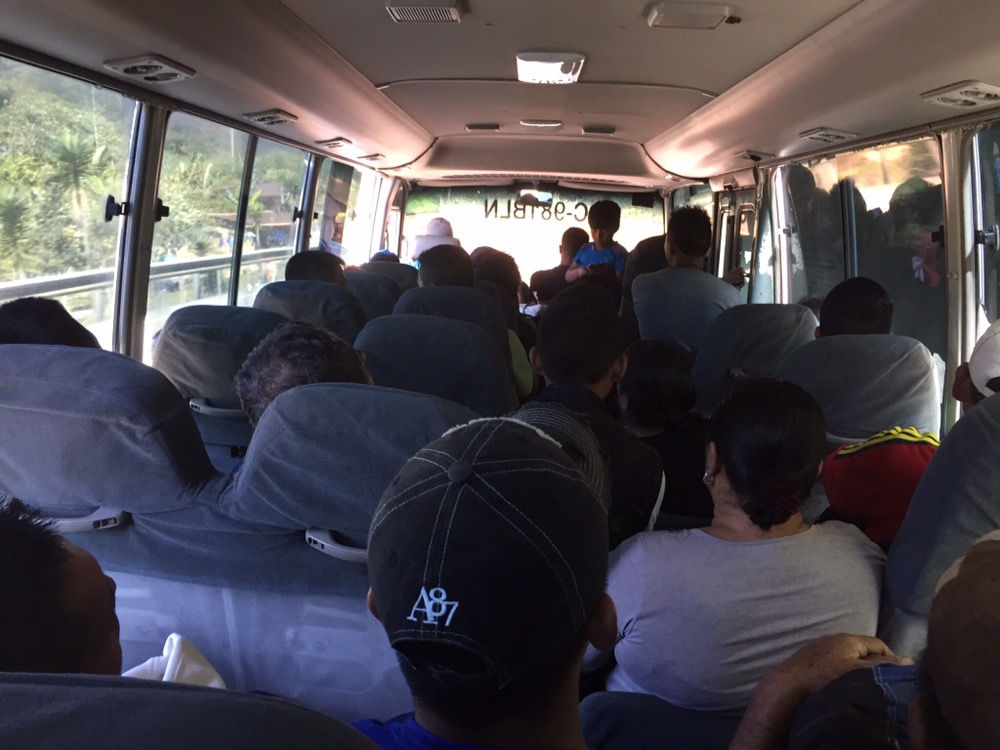
On board ‘micro bus’.


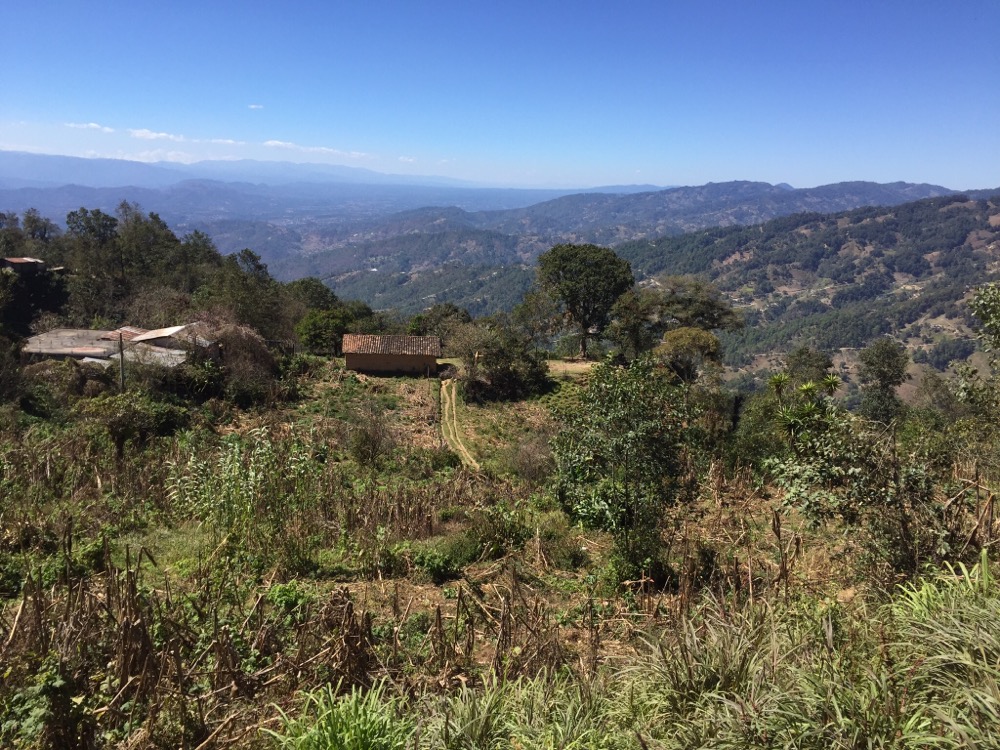
View across the countryside.

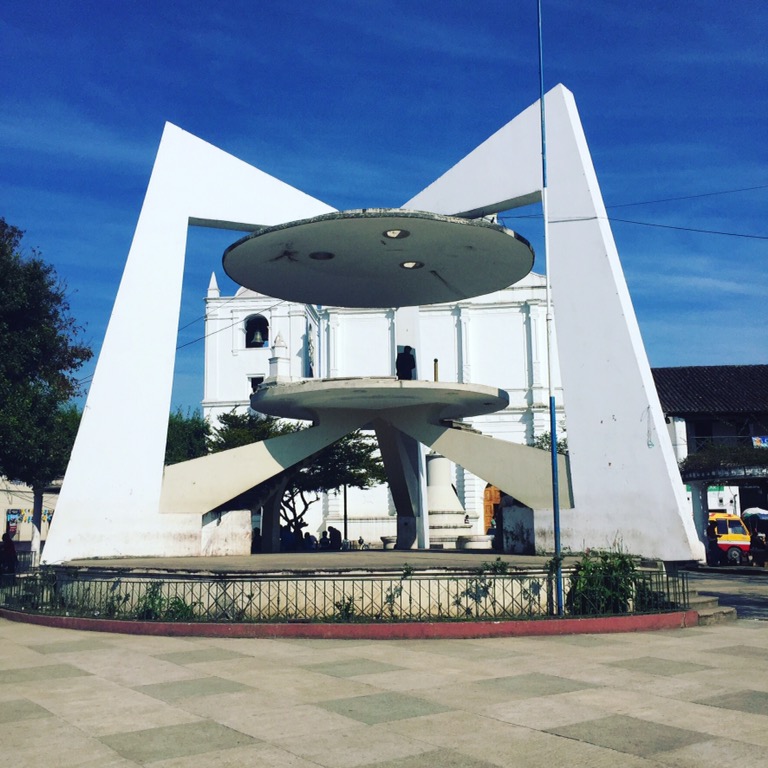
The small town of Zacualpa.


Taking a risk every morning.

Posted in Guatemala | Tagged , | Leave a comment

The Art of Noise.

“No man should live where he can hear his neighbor’s dog bark”. ― Nathaniel Macon.

In Central America there is no etiquette when it comes to noise, and noise levels; anything goes. In most public places, music or advertising can usually be heard blaring out of some turbocharged sound system at an ear-piercing volume. It’s also not uncommon for people to have their smart phones set to ‘loudspeaker’ to listen to their music in a cafe or on public transport. I find this later habit particularly irritating.

Unfortunately, Panajachel, where I have been lodging for the past three weeks, is one of the noisiest places I have ever stayed during the whole of my Latin America travels. Most families, in this tightly packed community, appear to have at least one dog and/or one cockerel. Ironically, these particular creatures seem incapable of making a sound during the day but come the early hours of the morning they manage to reach the peak of their vocal capacity. Frustratingingly, by 7am silence once again reigns, just as it’s time to get up.

This, however, is nothing compared with the ‘crescendo’ experienced at Christmas and New Year. Not content with setting off fireworks on Christmas Eve and New Year’s Eve, it would appear that anytime between these two dates is also perfectly acceptable, and there are no taboos when it comes to ‘acceptable’ times of the day. In fact, it would seem the more unsociable the hour the more justifiable it is.

In reality it’s not just Guatemala that has such issues. A month ago, during my first night in Cancun, Mexico, I was woken up in the early hours of the morning by the dulcet tones of Bob Marley pounding out “get up, stand up: stand up for your rights.” An apt song I thought, given the circumstances. The music went on for 3 or 4 minutes during which time the windows of my room were almost shaken off their hinges. Most of the time ear plugs suffice but on this occasion it was pointless to even consider them. I mentioned the incident to the owner of my guesthouse, at breakfast, but he just frowned at me and said he’d heard nothing!

Posted in Guatemala | Tagged , , | Leave a comment

San Juan La Laguna.

“You can never understand one language until you understand at least two”. Geoffrey Willans, English author and journalist.

I was, generally speaking, never the brightest of pupils at school. And when it came to Mathematics and English, an even greater level of personal ineptness was embarrassingly brought to light, much to the dissapointment of my dear mother. Needless to say, I failed both at GCSE. It wasn’t until after I had left school that these two subjects, in the ‘practical world’, started to make perfect sense. The ‘light bulb’ moment occurred and I achieved “A”grades in both – a few years later.

Unsurprisingly, since I have started to learn Spanish, the subject of grammar has reared its ugly head yet again. Terms like: pronouns, reflexive verbs and transitive verbs, which would have set off a panic attack back in the day, have now started to have a tangible meaning. Although, I have to say, I nearly drew the line at phrasel verbs!

So, after 3 weeks of intense studying in Panajachel it was time to leave. My farewells to Magda and Dulce were especially difficult. 

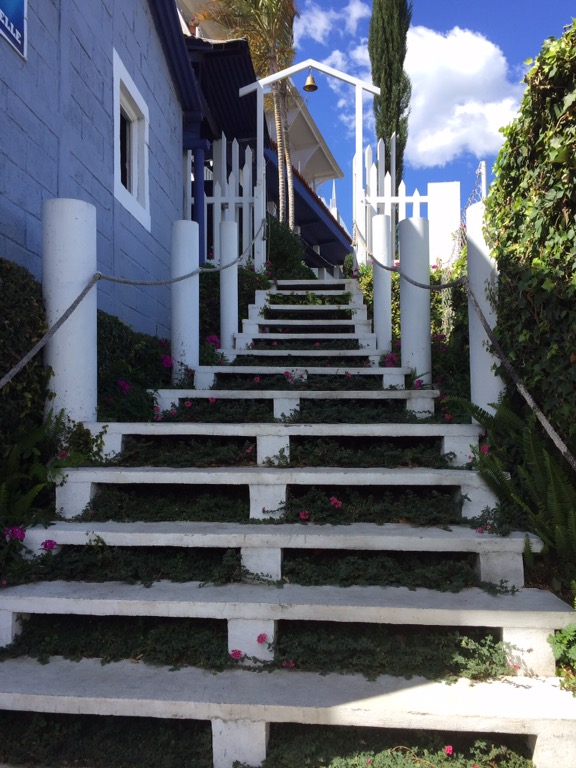
On Saturday I had an overnight stay in the delightful town of San Juan la Laguna, just 20 minutes south of Panajachel, by boat. On a rise above a spectacular bay, this mellow village has escaped many of the excesses of its neighbours. San Juan is special: the Tz’utujil inhabitants take pride in their craft traditions – particularly painting and weaving – and have developed their own tourism infrastructure to highlight these traditions to outsiders. I found an excellent hotel, Pa Muelle, and an excellent restaurant where I enjoyed an amazing curry, washed down with a glass of vino tinto.

Next stage: Back to Panajachel and a Chicken bus (or three) to Salamá.


Posted in Guatemala | Tagged , , | Leave a comment

Jabel Tinamit.

“Be genuinely interested in everyone you meet and everyone you meet will be genuinely interested in you”. Rasheed Ogunlaru.

One week on from my arrival in Panajachel, and the start of my Spanish classes:

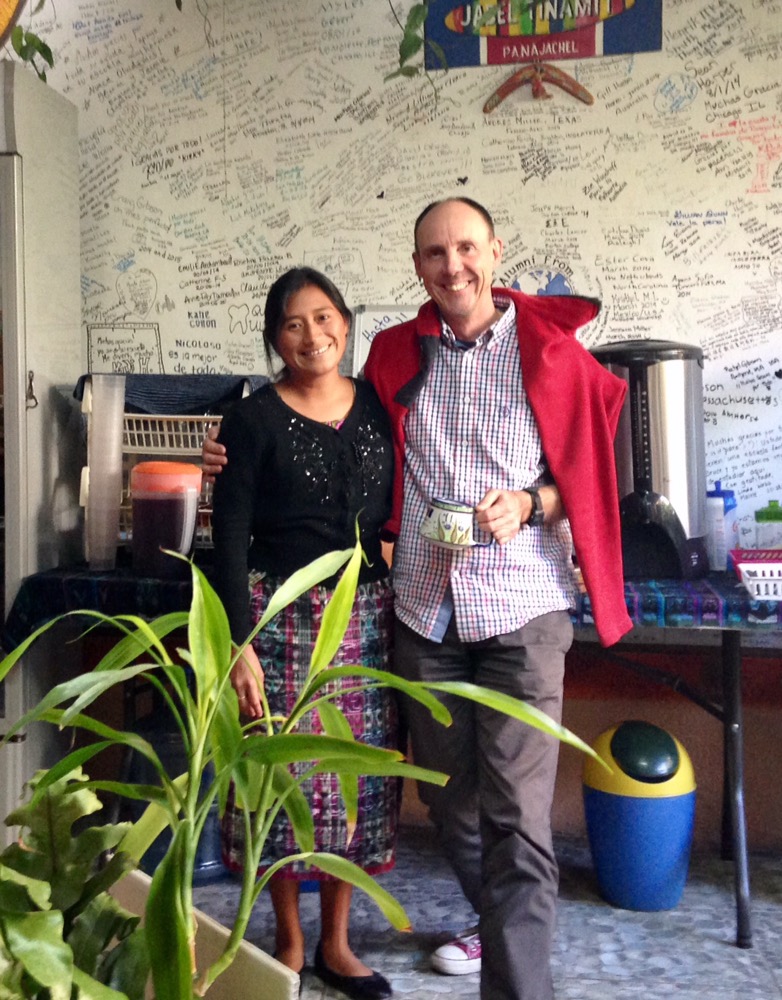
We have a new addition to the family. Santiago arrived last Sunday – direct from the United States. He is in his late fifties, tall, slim, and with an extremely outgoing personality. His presence has certainly taken the pressure off me at meal times, here in the ‘casa’. Prior to his arrival the conversation between my host family and I was starting to run out of momentum – having quickly covered all the subject matter that my limited vocabulary could facilitate.

Santiago is an interesting character to be around; I enjoy our evening conversations immensely (thankfully in English). His Spanish is very good and I have learnt a lot from him.

Up until Friday of this week, my Spanish lessons had been going great guns. My teacher, Patricia, is delightful – with the patience of a saint and a wonderful sense of humour. She is in her early thirties, short (5 feet something) and very pretty. She is married with three children – two boys and a girl. She has been a teacher at Jabel Tinamit, my Spanish school, for around 8-years.

I have now spent just over a week studying on a ‘one to one’ basis with Patricia and I have been gutted by just how much Spanish I don’t know. Friday of last week, proved to be a particularly rubbish day. After a week of: 5-hours of lessons each morning and 4-hours revising each afternoon, my head was close to exploding. The end of week exam produced a disappointing result, which left me feeling extremely despondent. But as Patricia, very thoughtfully reminded me, “poco a poco” – little by little.

It’s now the weekend, time to relax.

Hasta pronto.

Posted in Guatemala | Tagged , | Leave a comment

Feliz Año Nuevo.

“The biggest adventure you can take is to live the life of your dreams.” Oprah Winfrey.

Firstly, Happy New Year or, as they say here in Latin America, “Feliz Año Nuevo”. 2016 was another (equally) incredible and surprising year, as well as being a sad one.

During the first part of the year I was fortunate enough to explore more of my favourite continent, Latin America, taking in Guatemala, Honduras, Nicaragua, El Salvador, Costa Rica (Cost A Fortune!) and Panama. I also managed to squeeze in a return visit to Colombia and my beloved coffee finca – Hacienda Venecia. All of which you can read about in my previous posts.

Surprisingly, in the spring of 2016, Greenvale AP presented me with another work based project, which I enjoyed immensely, enabling me to save some money for a return visit to Latin America.

Sadly 2016 delivered a number of lows with the death of a work colleague and, as we all know, some celebrity legends. The events in Syria have also left a bitter taste – for all mankind.

I am currently back in Guatemala, Panajachel (Pana) to be precise, where I am ‘topping up’ my Spanish vocabulary for three weeks. I am staying with a lovely host. Magda and her family were so welcoming last year that no return visit would quite be the same without their hospitality.

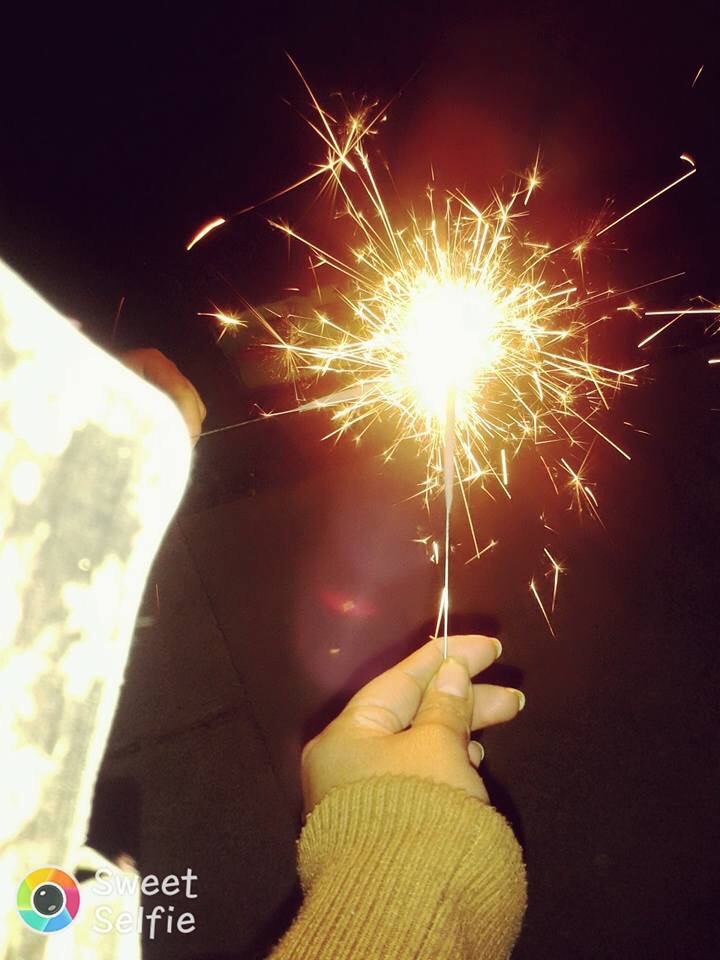
New Years Eve was spent enjoying a traditional evening with ‘the family’ – lots of food and an incredible firework display, courtesy of Panajachel residents.

Later this month I will be ‘unleashed’ onto the unsuspecting citizens of wider Guatemala to explore more of this amazing country. The people here in ‘Pana’ are incredibly friendly and I hope this remains the case throughout the journey ahead.

I hope you had a wonderful Christmas. Here’s to a prosperous and peaceful New Year.

Hasta pronto!

Posted in Guatemala | Tagged , , , , | Leave a comment